Lesson 16
A wage and a salary
Understand how much pay arrives, and when.
Read and explore together
Some adults are paid according to how many hours they work. This is often called a wage.
Others agree an amount paid regularly for their job, such as each month. This is often called a salary.
The real agreement matters. People need to know how much they will receive and when. Neither word tells us how important a person is.
In a pretend work example, an adult receives one equal coin for each hour. Two hours mean two coins. That arrangement links pay to hours worked.
Try it with a grown-up
Use a paper calendar to mark two pretend pay dates. Discuss planning between them without asking about real family pay.
Choose your next discovery
100 lessons
What money helps us do
Open this lesson
Coins, notes and numbers
Open this lesson
An exchange needs agreement
Open this lesson
Things we need and things we enjoy
Open this lesson
We cannot choose everything at once
Open this lesson
A price tells us what to pay
Open this lesson
Counting a small payment
Open this lesson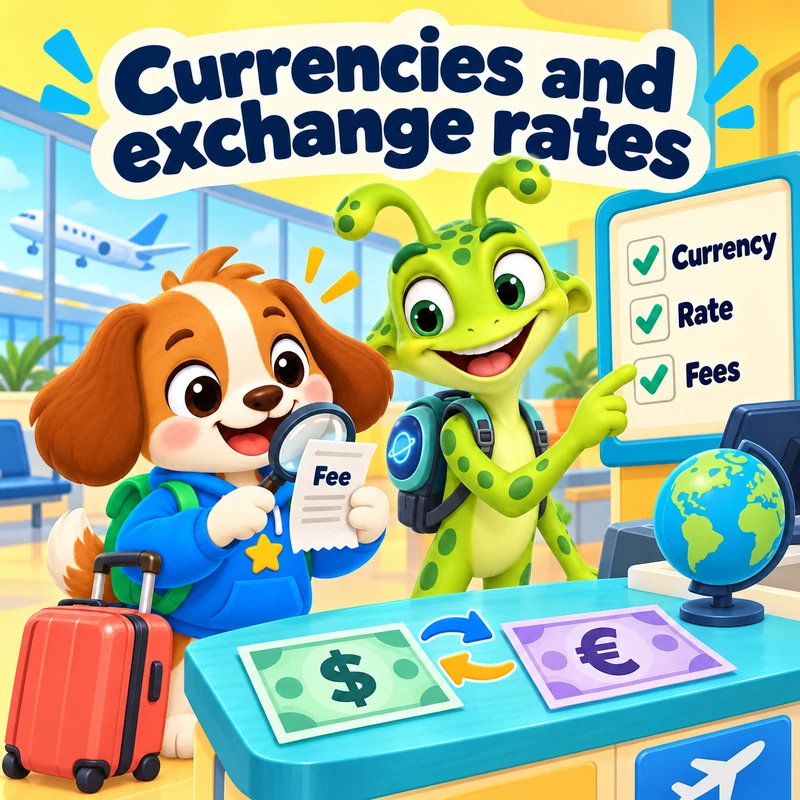
Currencies and exchange rates
Open this lesson
Some good things have no price
Open this lesson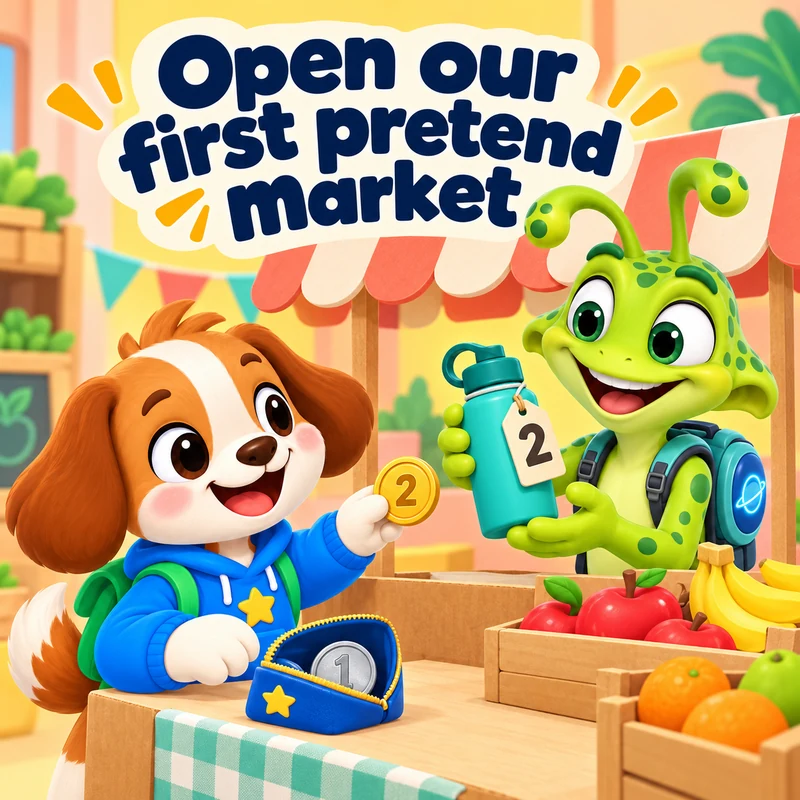
Open our first pretend market
Open this lesson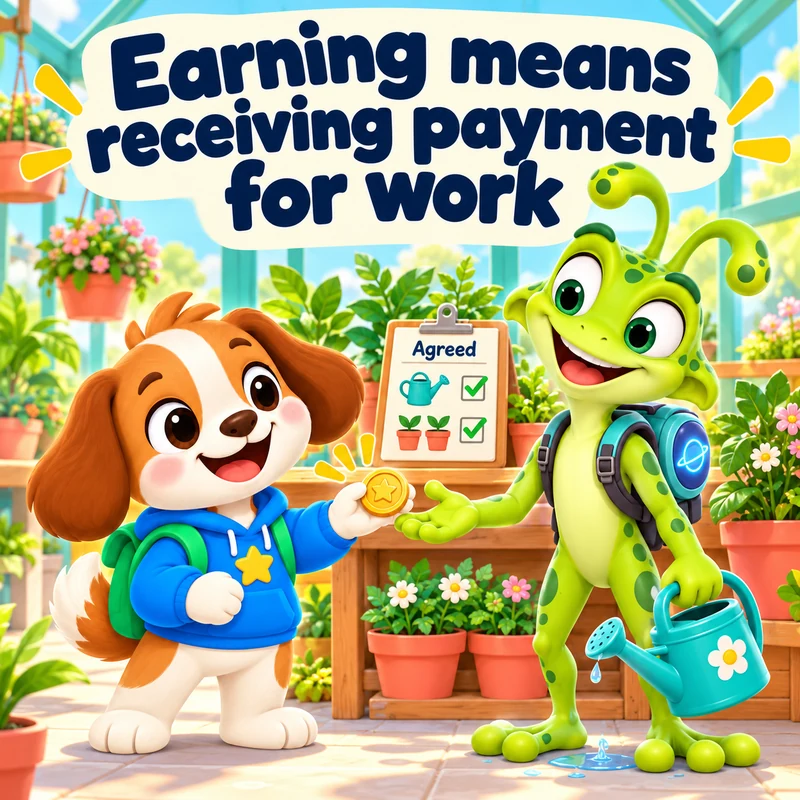
Earning means receiving payment for work
Open this lesson
Paid work and helpfulness
Open this lesson
Employees work for an organisation
Open this lesson
Working for yourself
Open this lesson
Skills become useful through practice
Open this lesson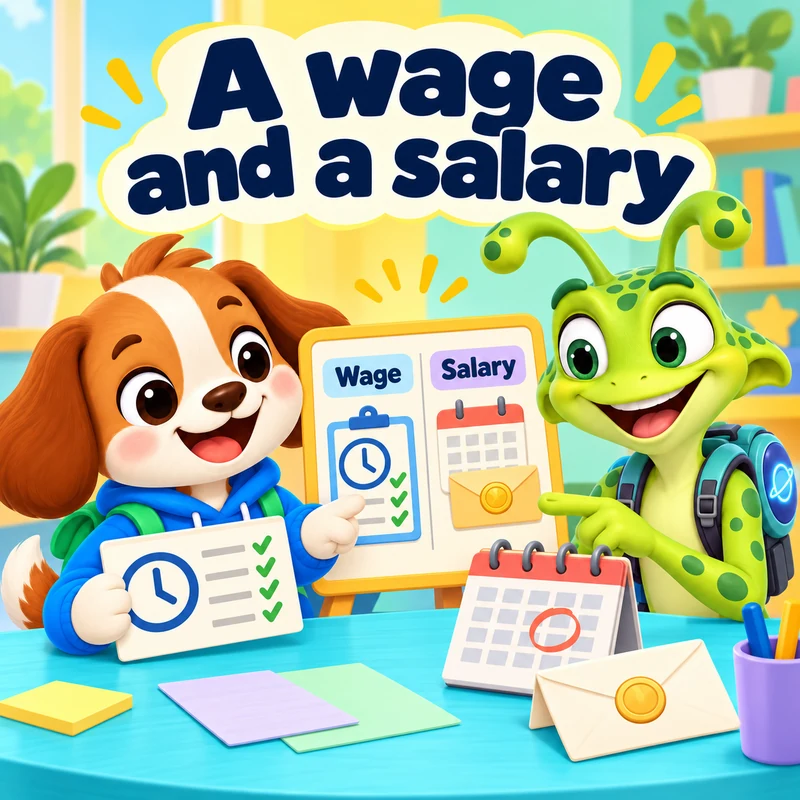
A wage and a salary
Open this lesson
Time, effort and safe limits
Open this lesson
An agreement should be clear
Open this lesson
Being reliable builds trust
Open this lesson
Many ways to earn, one shared respect
Open this lesson
Saving means keeping some for later
Open this lesson
Give a goal a clear name
Open this lesson
Small amounts add up
Open this lesson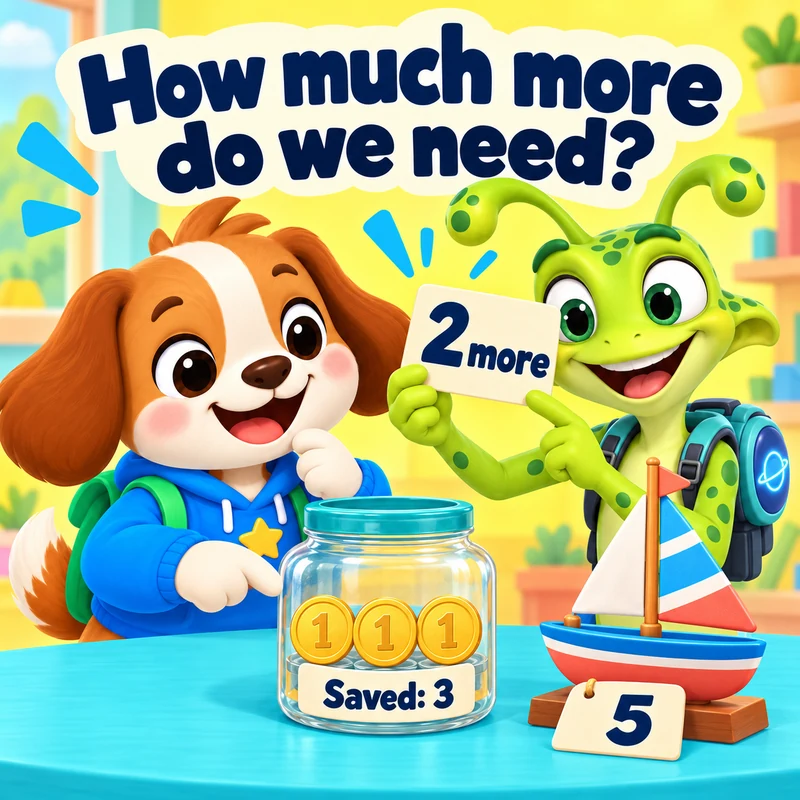
How much more do we need?
Open this lesson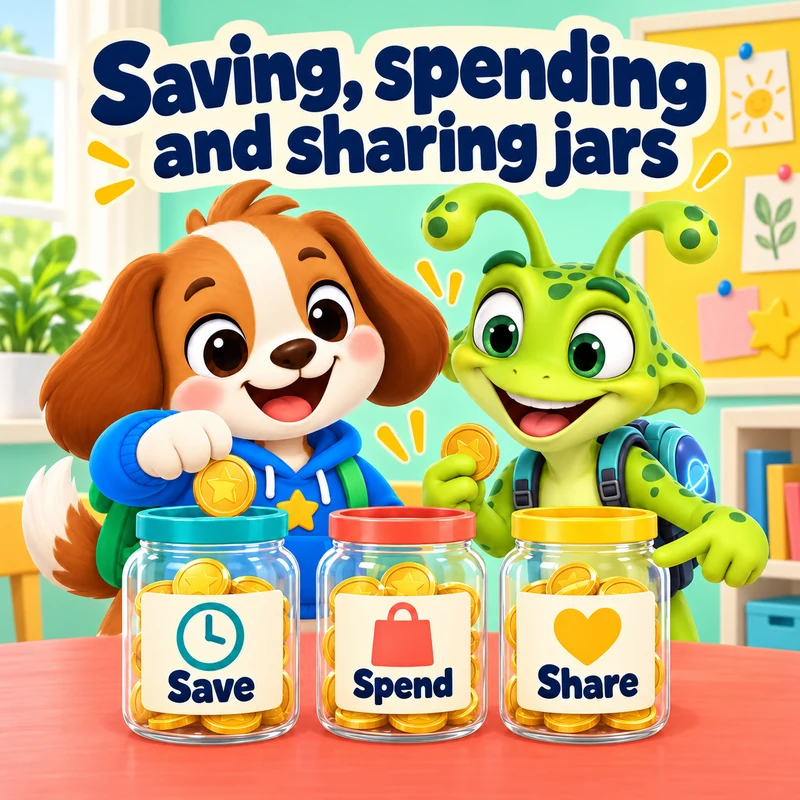
Saving, spending and sharing jars
Open this lesson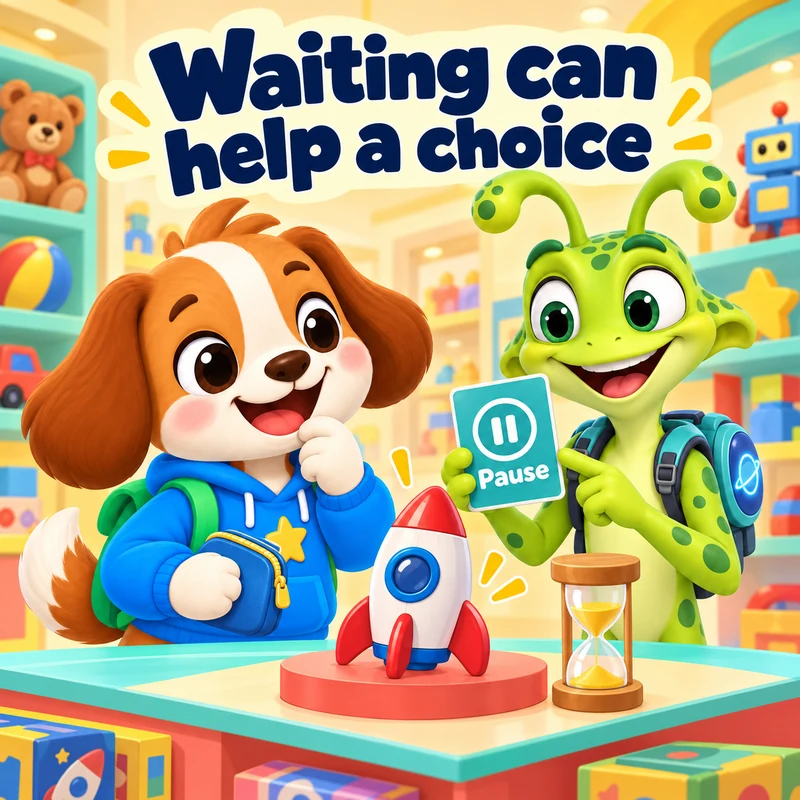
Waiting can help a choice
Open this lesson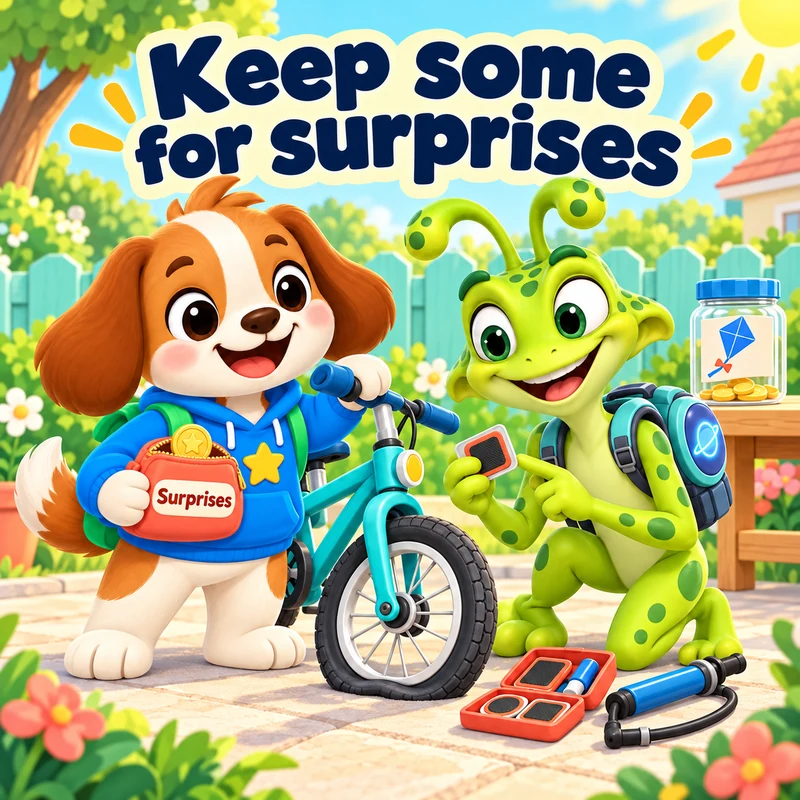
Keep some for surprises
Open this lesson
Savings need a safe place
Open this lesson
Changing a goal thoughtfully
Open this lesson
Plan a whole saving journey
Open this lesson
Compare prices for the same thing
Open this lesson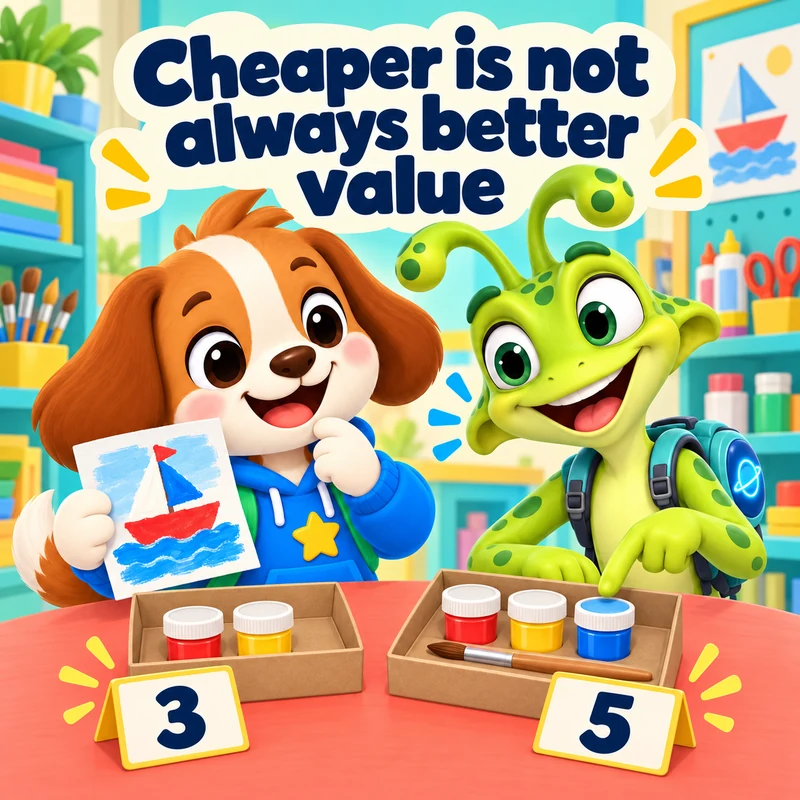
Cheaper is not always better value
Open this lesson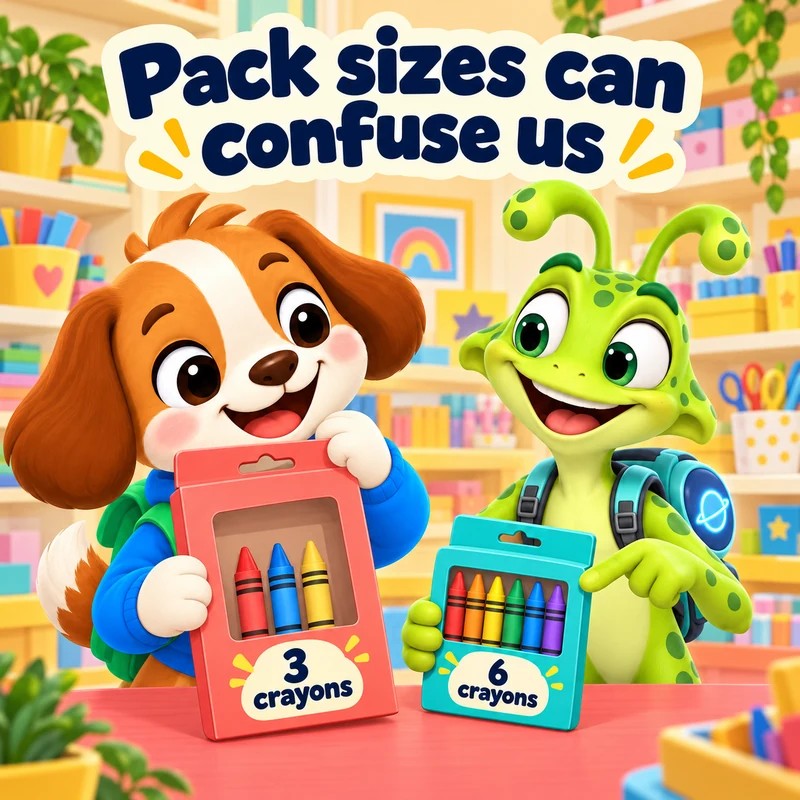
Pack sizes can confuse us
Open this lesson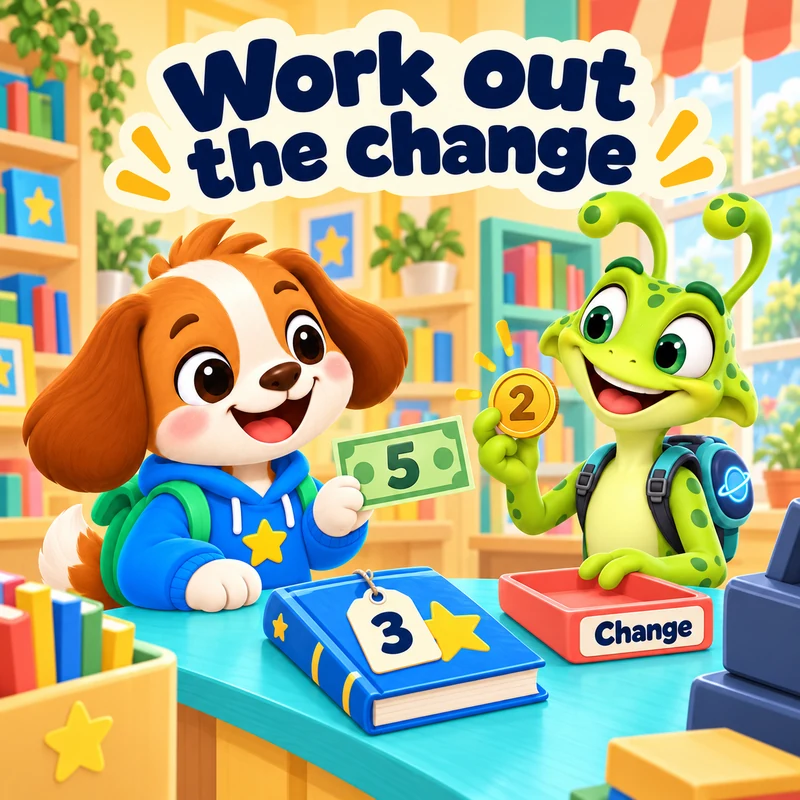
Work out the change
Open this lesson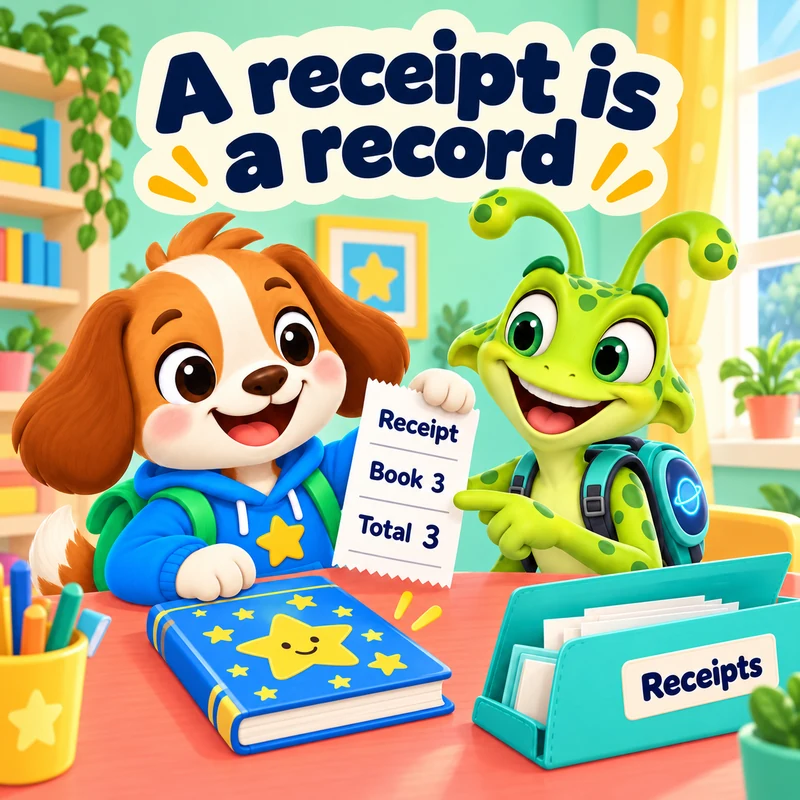
A receipt is a record
Open this lesson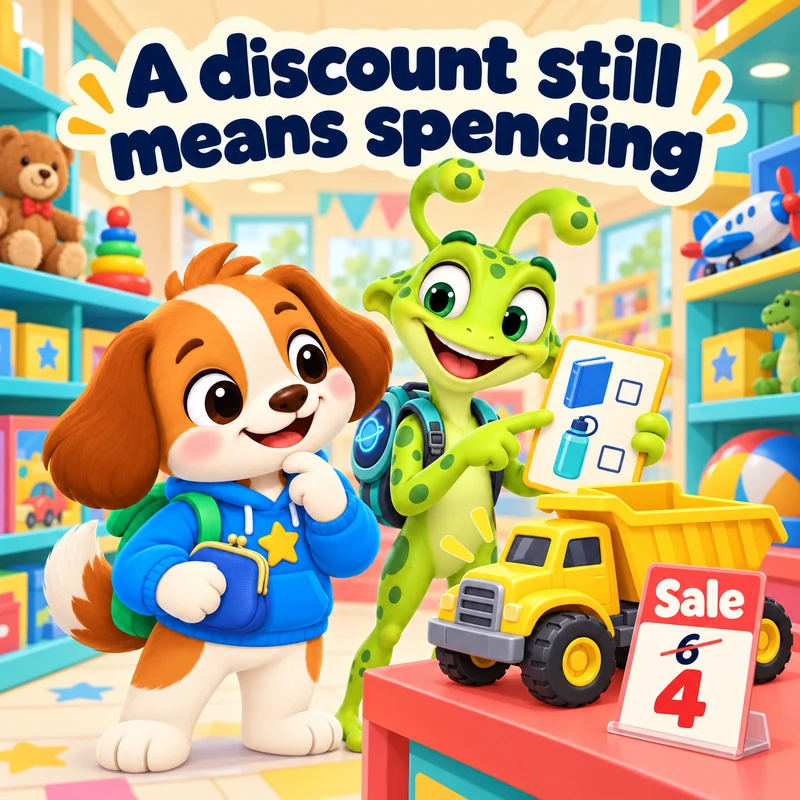
A discount still means spending
Open this lesson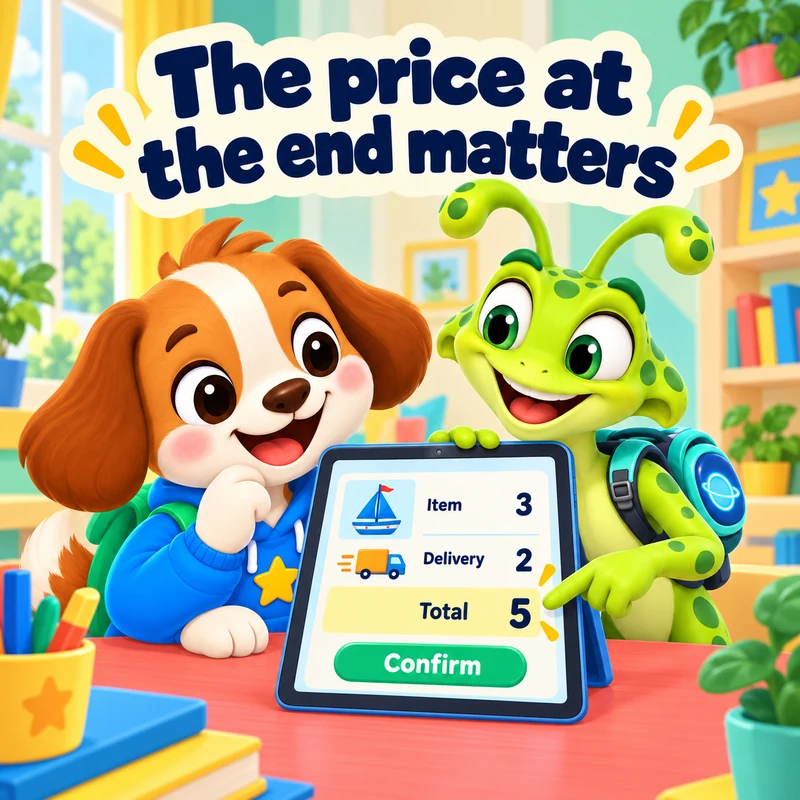
The price at the end matters
Open this lesson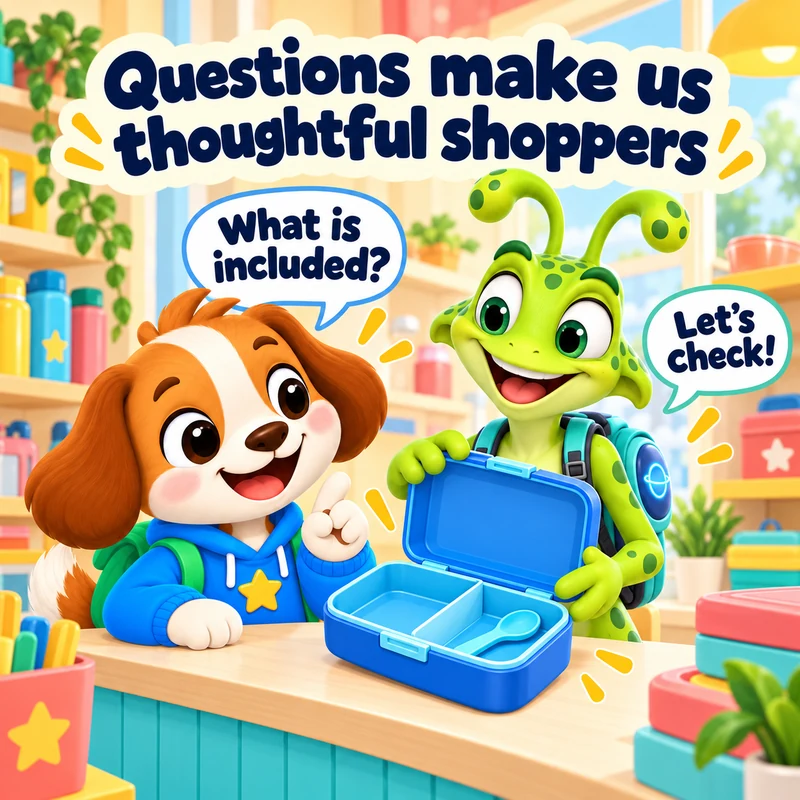
Questions make us thoughtful shoppers
Open this lesson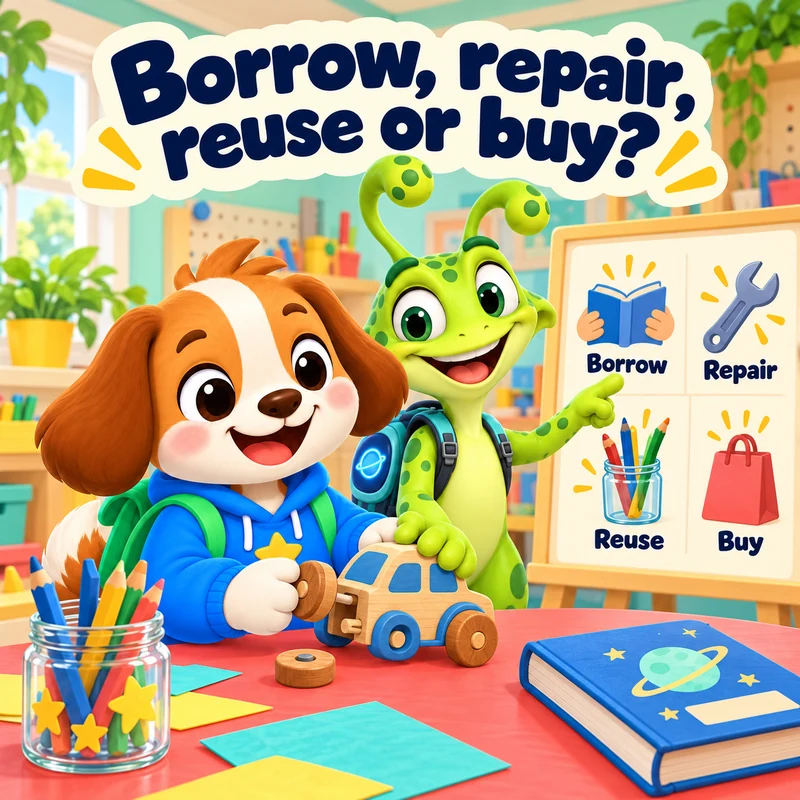
Borrow, repair, reuse or buy?
Open this lesson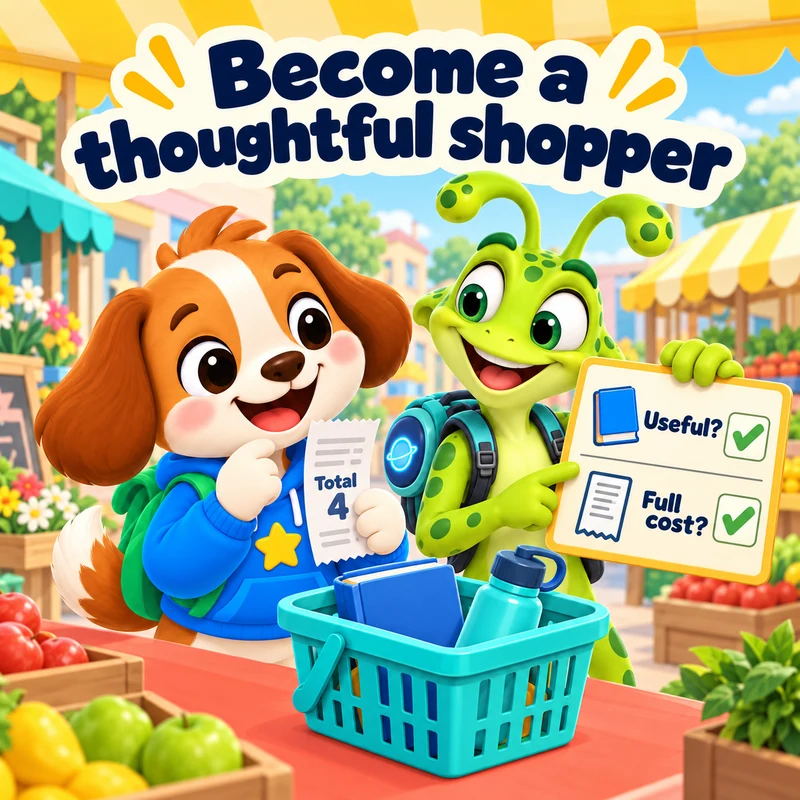
Become a thoughtful shopper
Open this lesson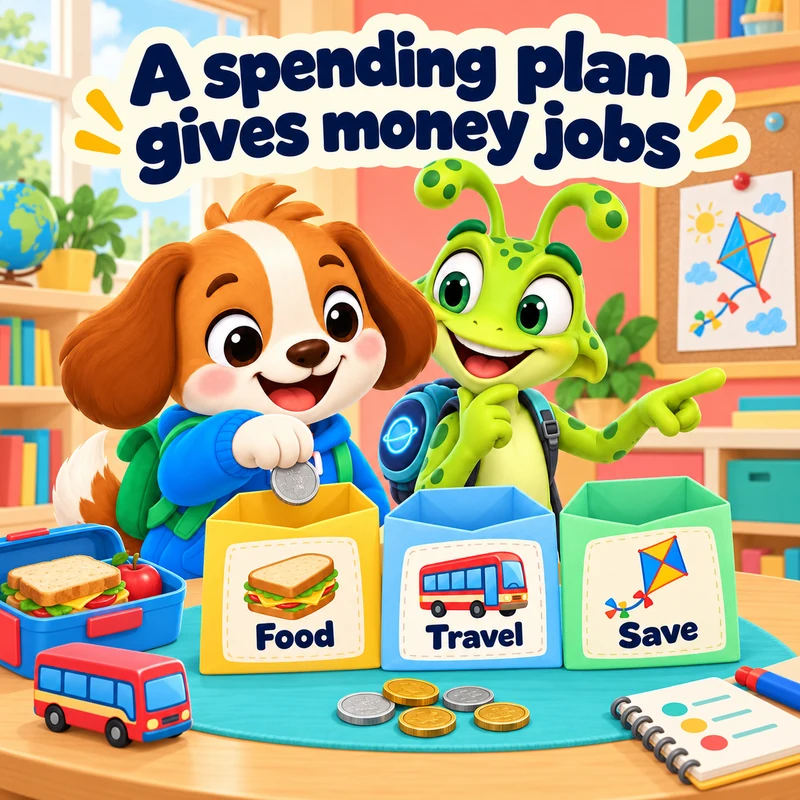
A spending plan gives money jobs
Open this lesson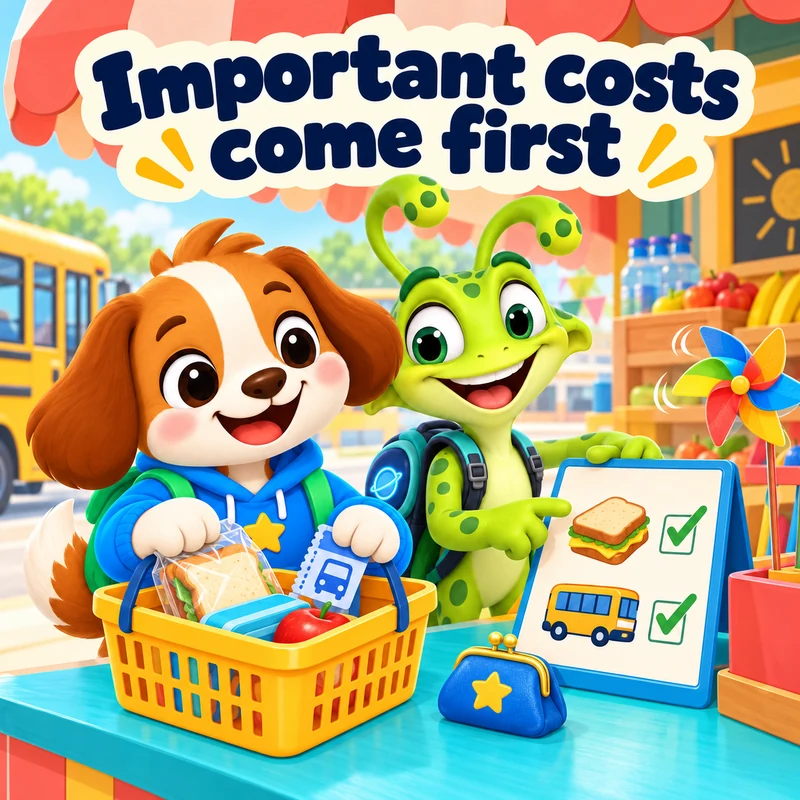
Important costs come first
Open this lesson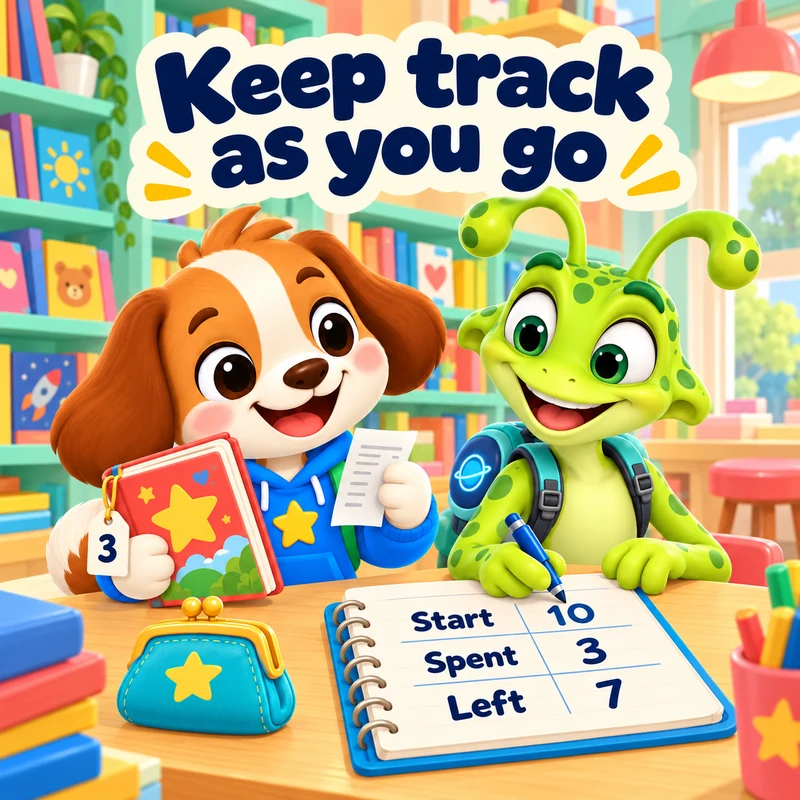
Keep track as you go
Open this lesson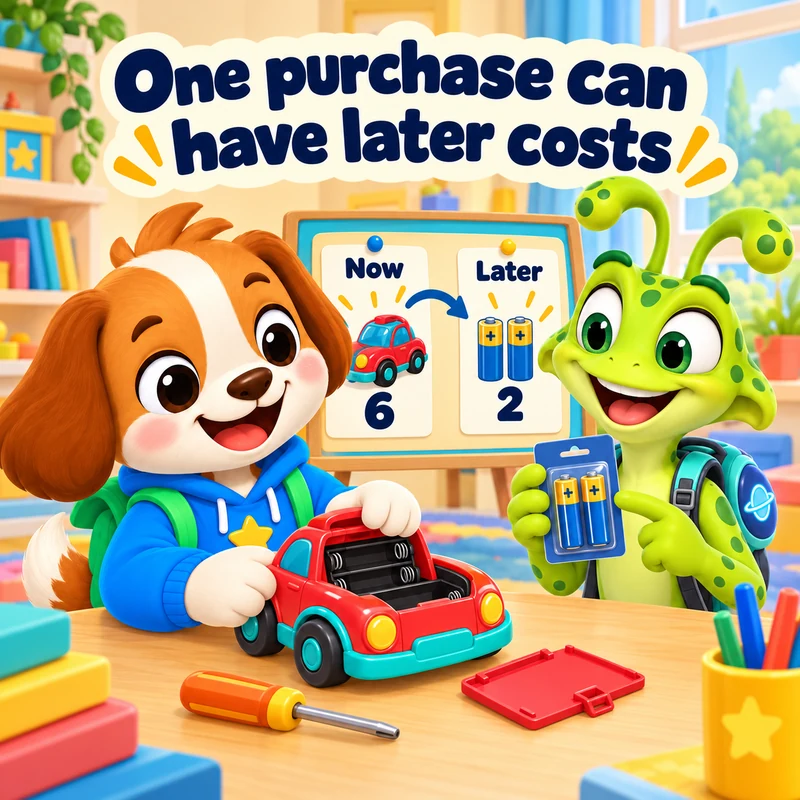
One purchase can have later costs
Open this lesson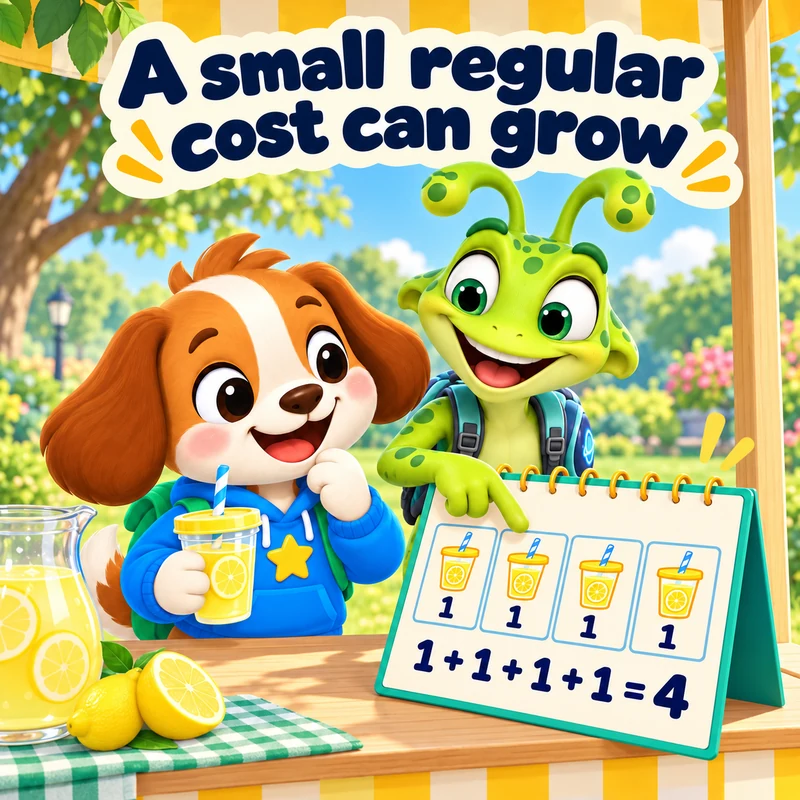
A small regular cost can grow
Open this lesson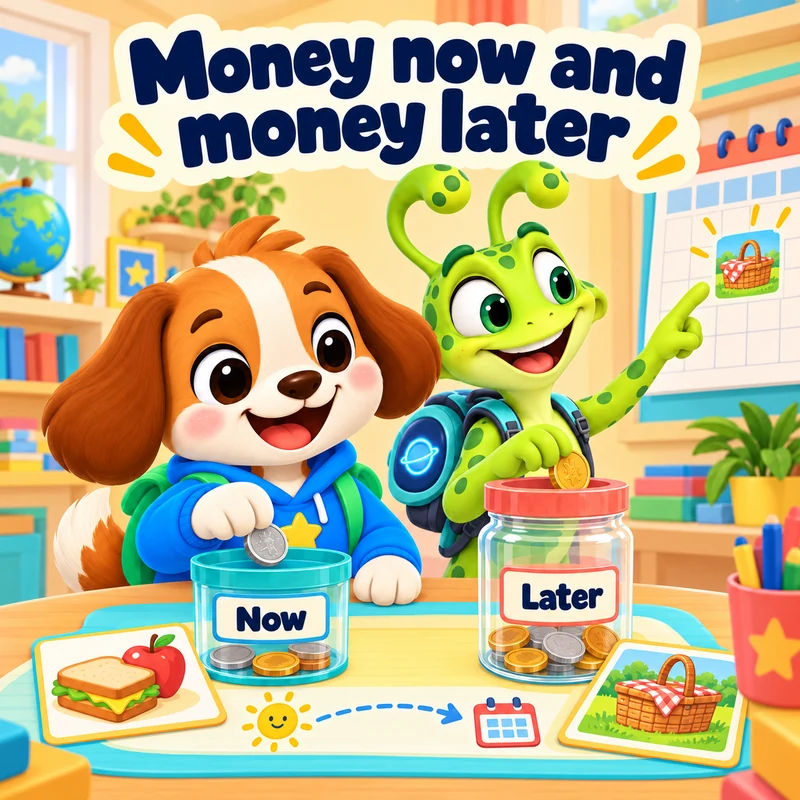
Money now and money later
Open this lesson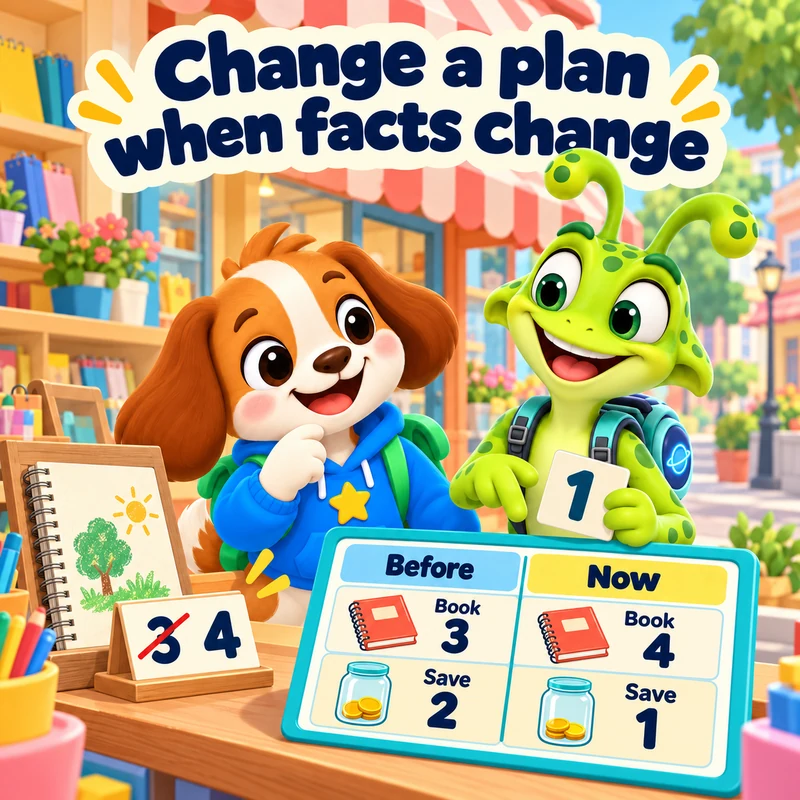
Change a plan when facts change
Open this lesson
Choices have opportunity costs
Open this lesson
Build a plan together
Open this lesson
Run a picnic budget
Open this lesson
A business helps meet a need
Open this lesson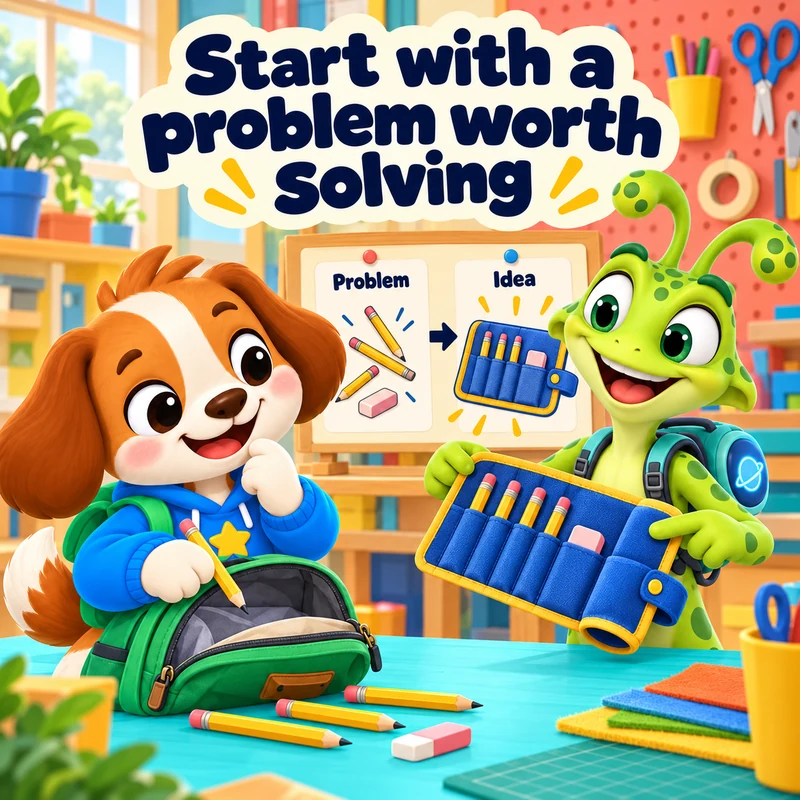
Start with a problem worth solving
Open this lesson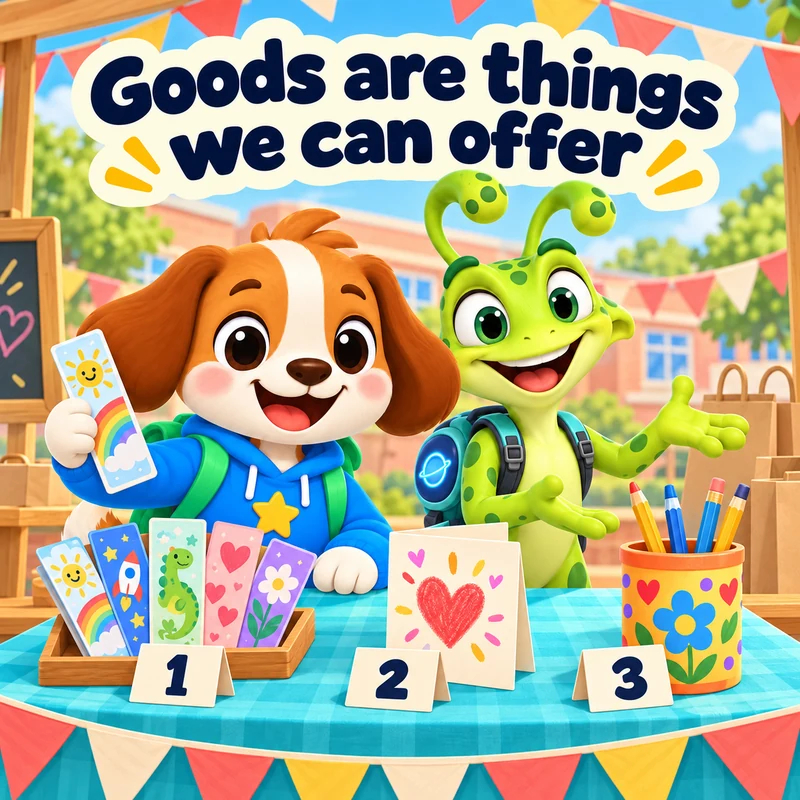
Goods are things we can offer
Open this lesson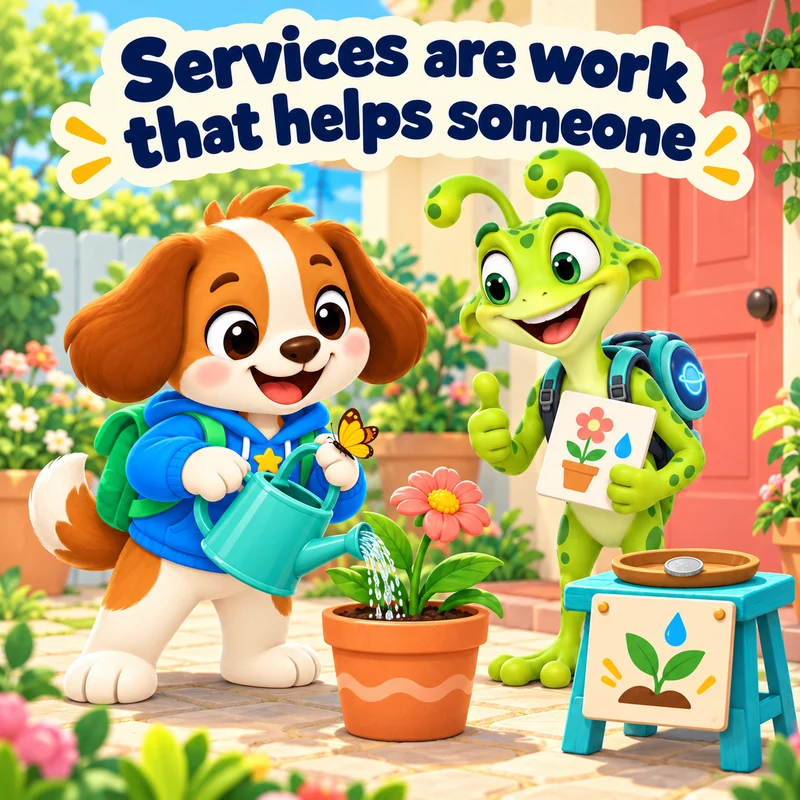
Services are work that helps someone
Open this lesson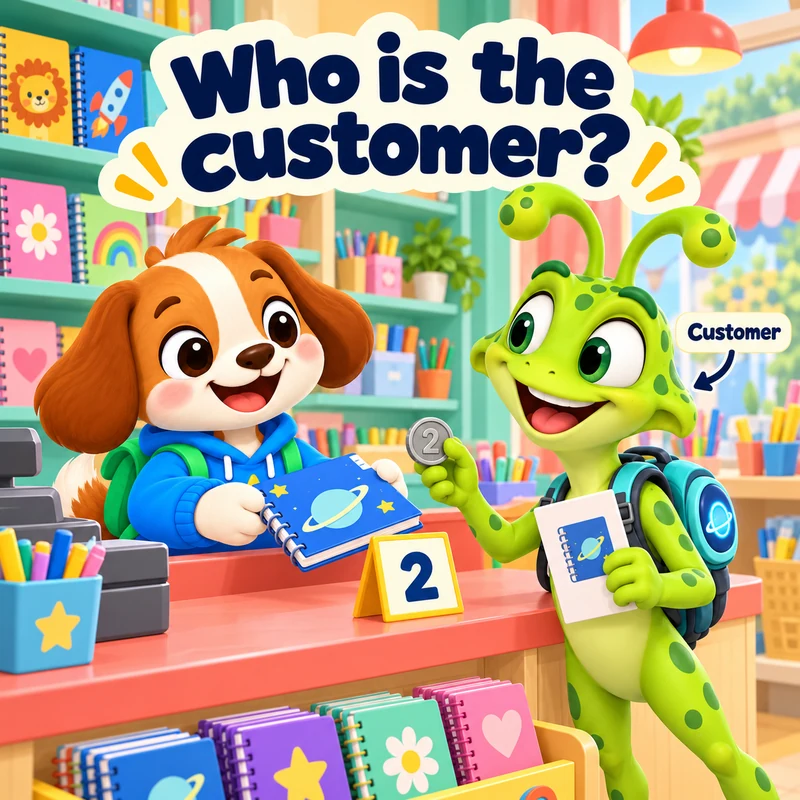
Who is the customer?
Open this lesson
What makes an offer useful?
Open this lesson
Materials and tools have costs
Open this lesson
Test a small idea first
Open this lesson
Give your idea a clear name
Open this lesson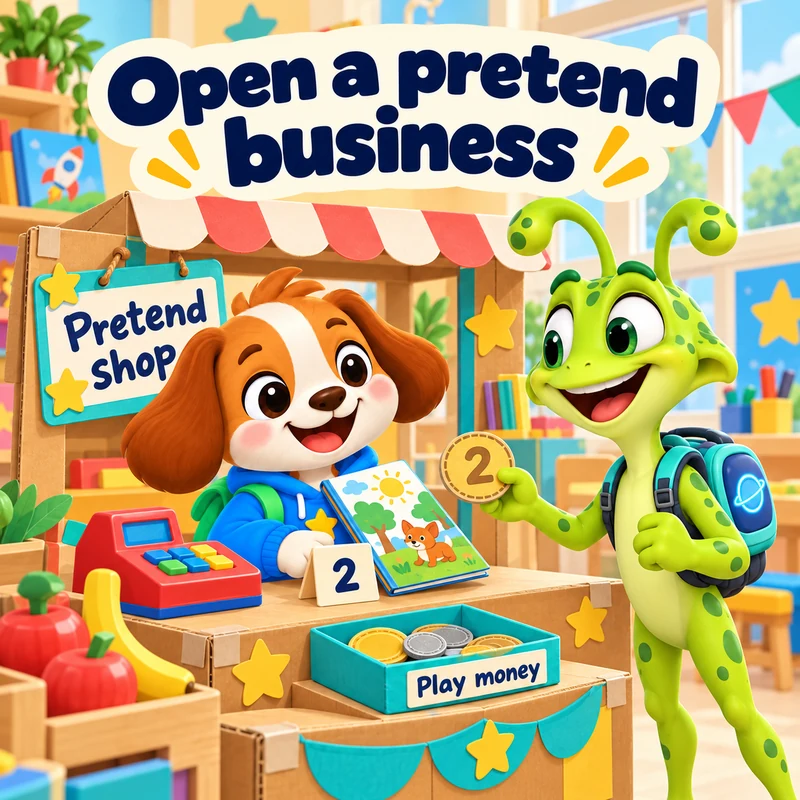
Open a pretend business
Open this lesson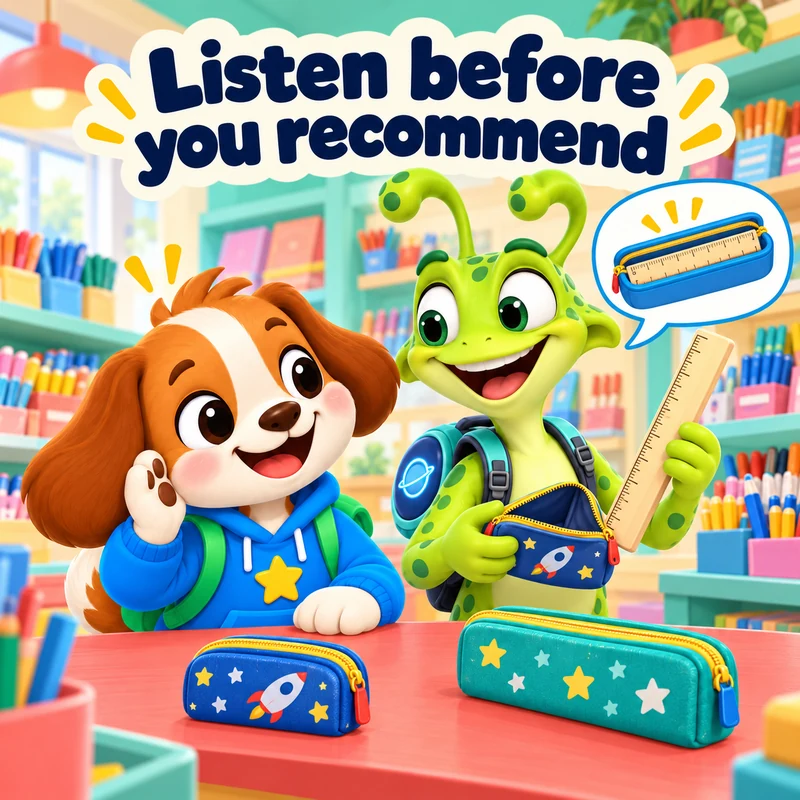
Listen before you recommend
Open this lesson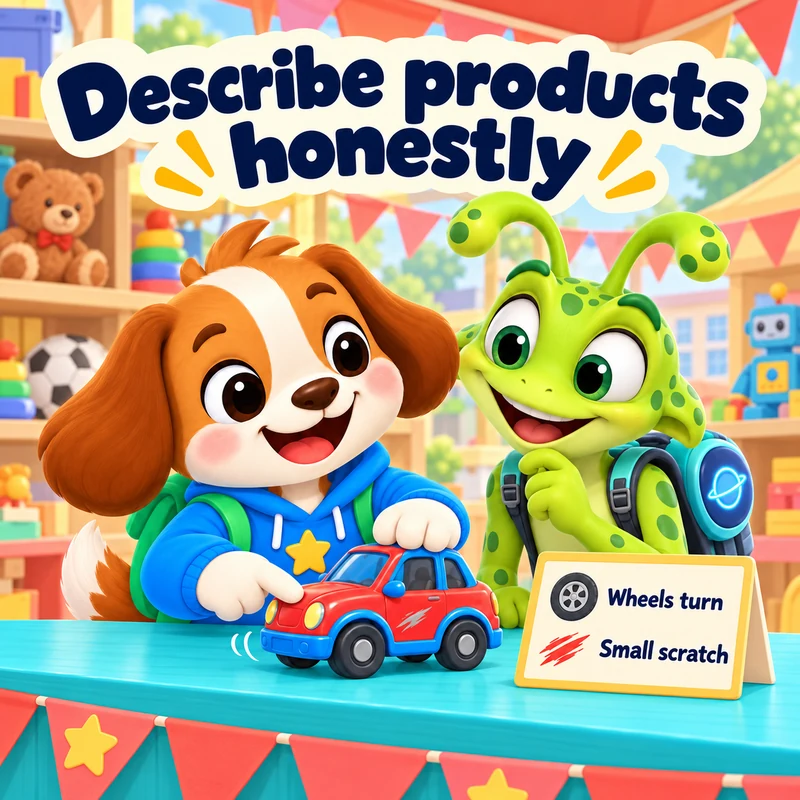
Describe products honestly
Open this lesson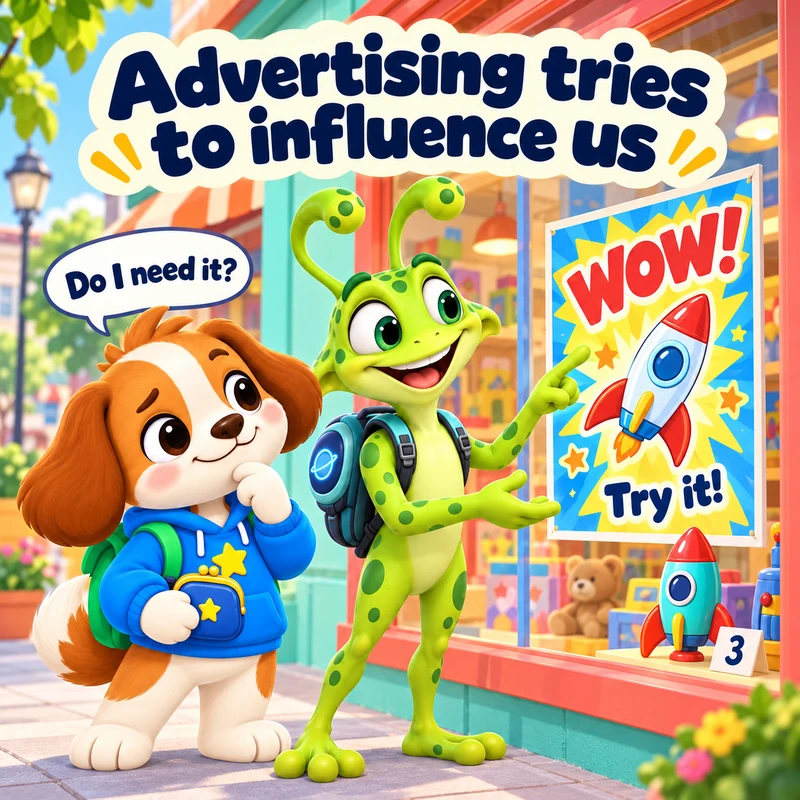
Advertising tries to influence us
Open this lesson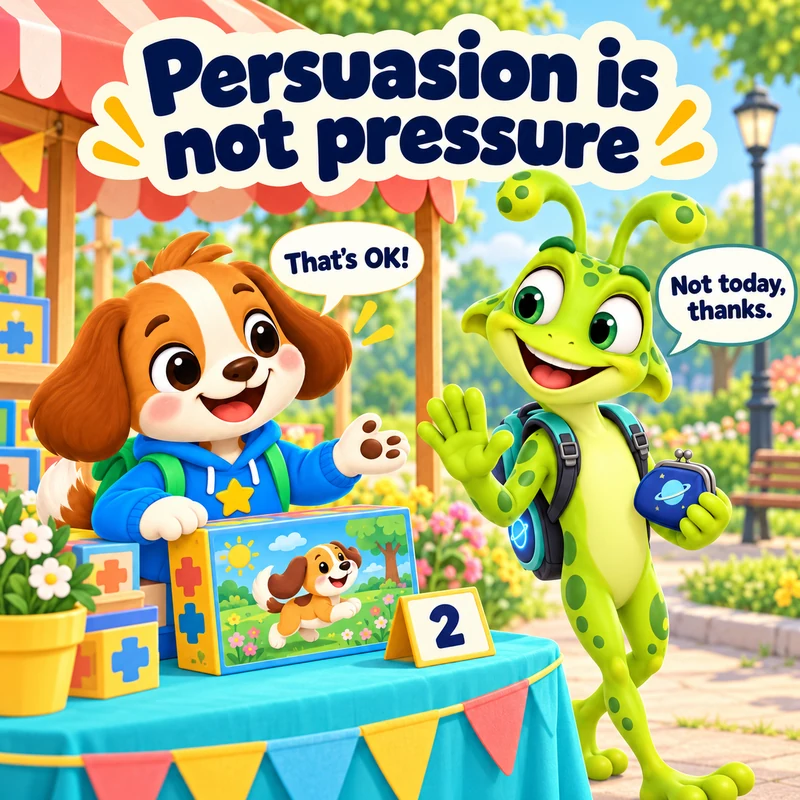
Persuasion is not pressure
Open this lesson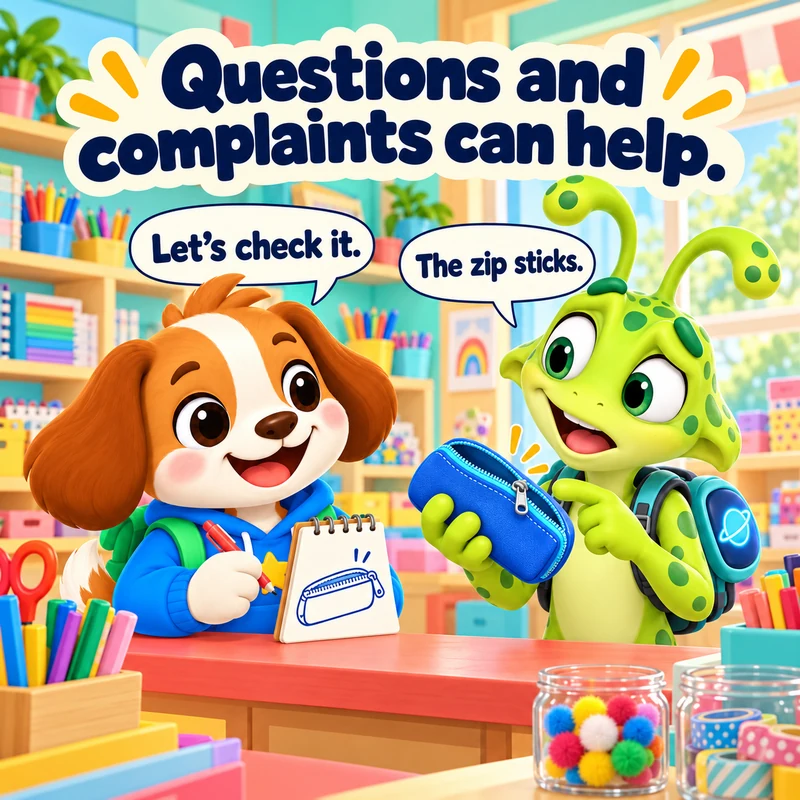
Questions and complaints can help
Open this lesson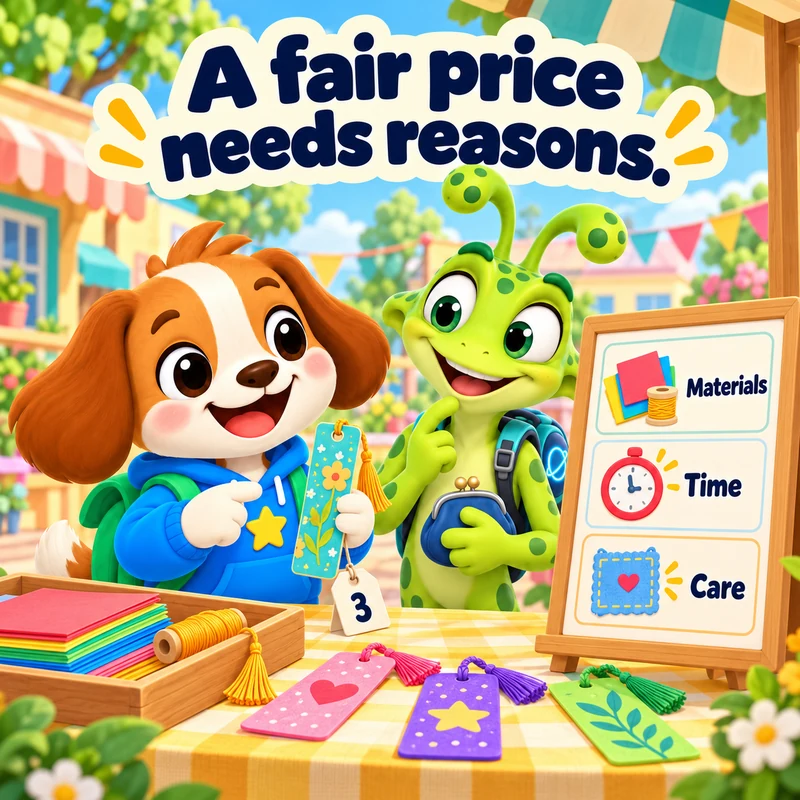
A fair price needs reasons
Open this lesson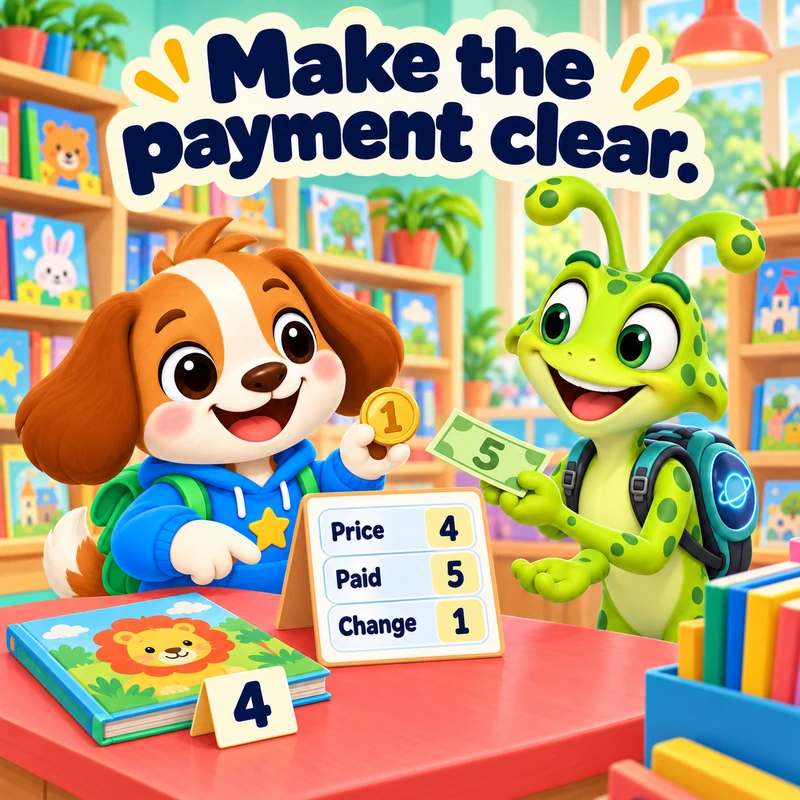
Make the payment clear
Open this lesson
Care after the sale
Open this lesson
Online shops need adult care
Open this lesson
Run a respectful shop conversation
Open this lesson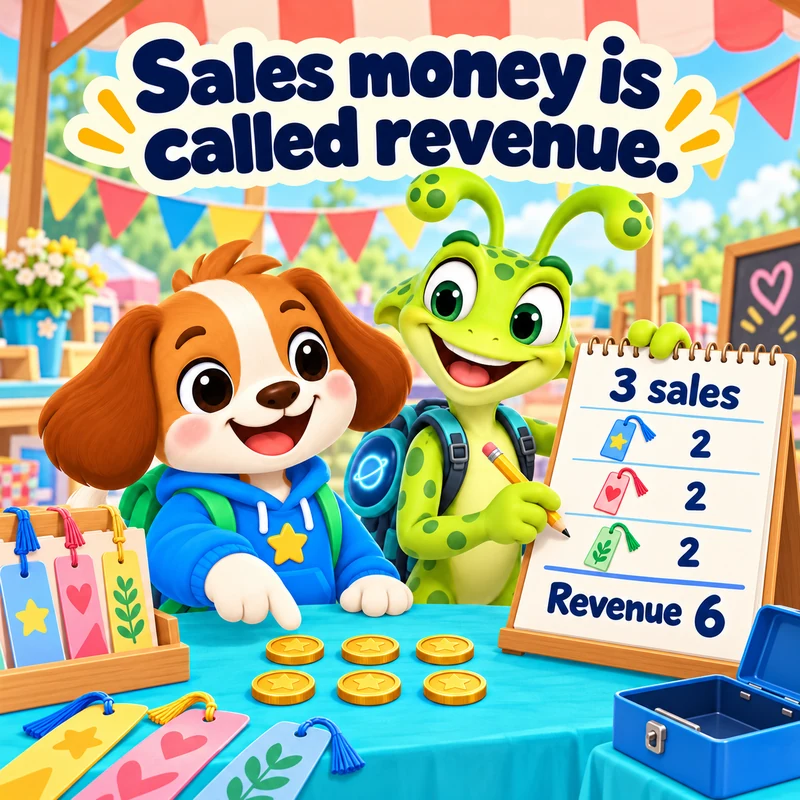
Sales money is called revenue
Open this lesson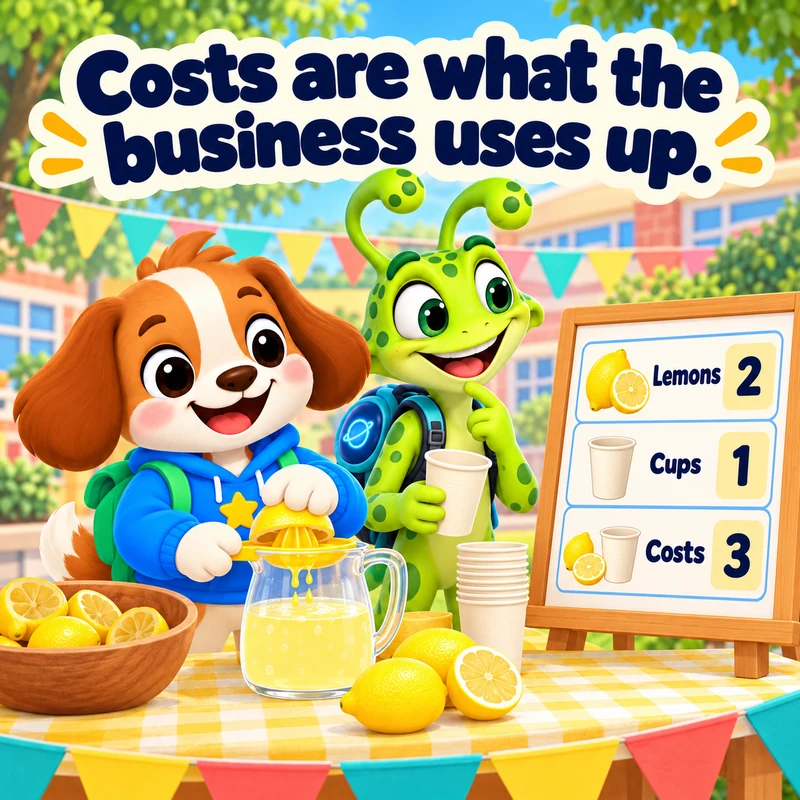
Costs are what the business uses up
Open this lesson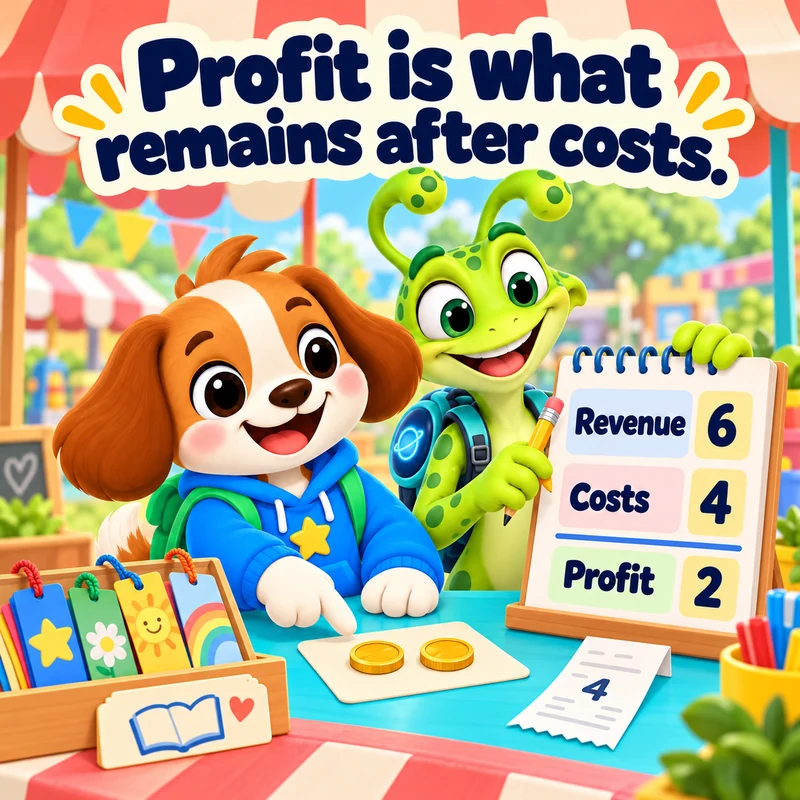
Profit is what remains after costs
Open this lesson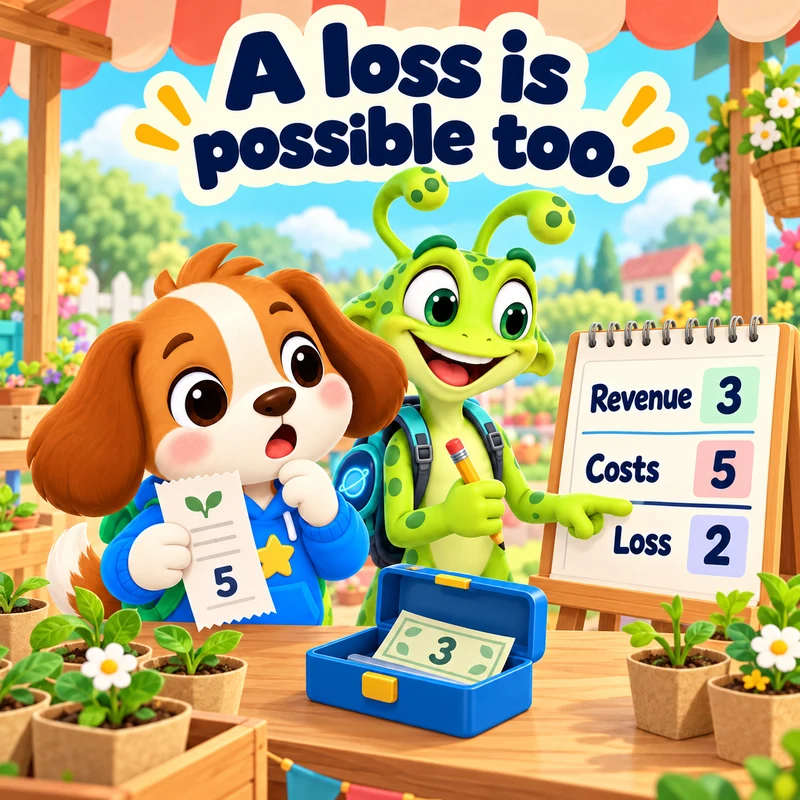
A loss is possible too
Open this lesson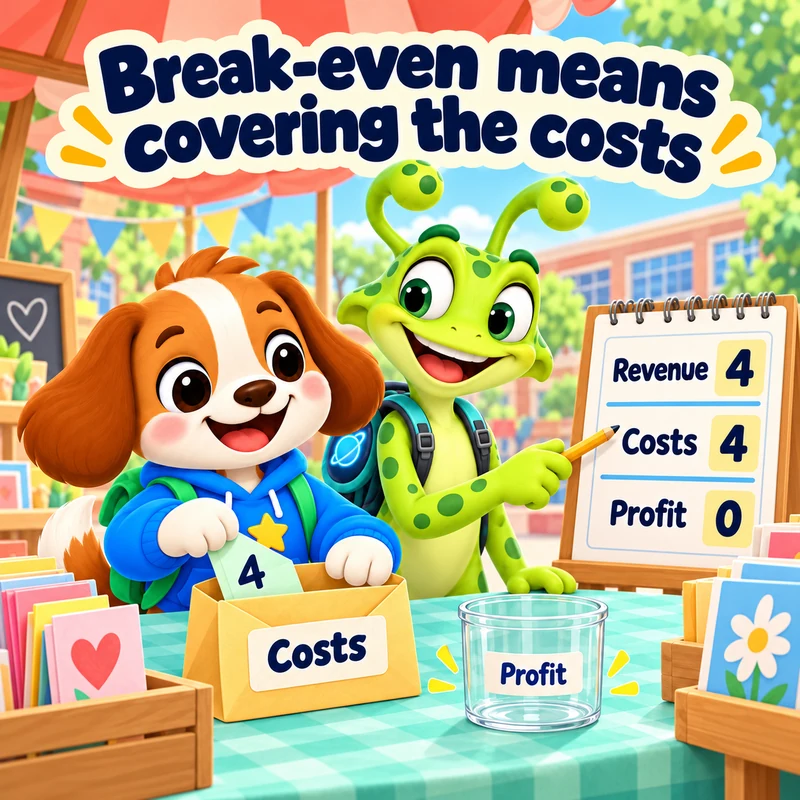
Break-even means covering the costs
Open this lesson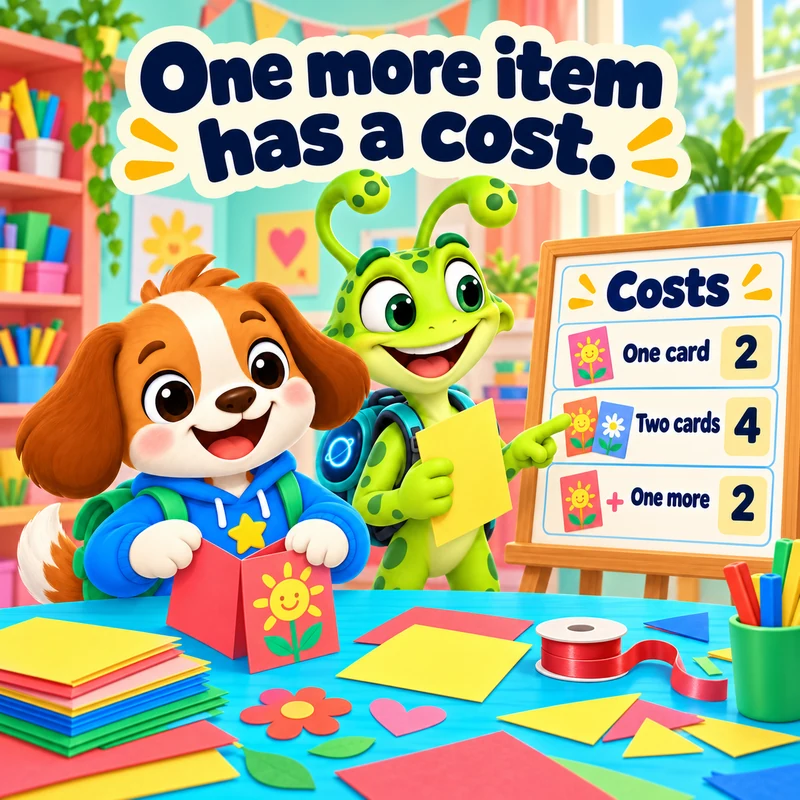
One more item has a cost
Open this lesson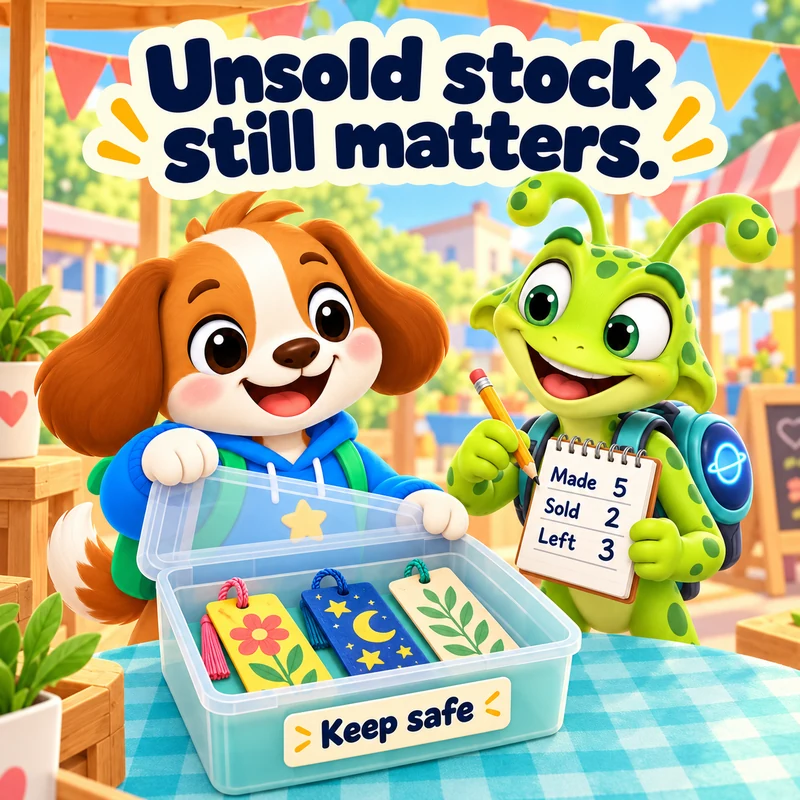
Unsold stock still matters
Open this lesson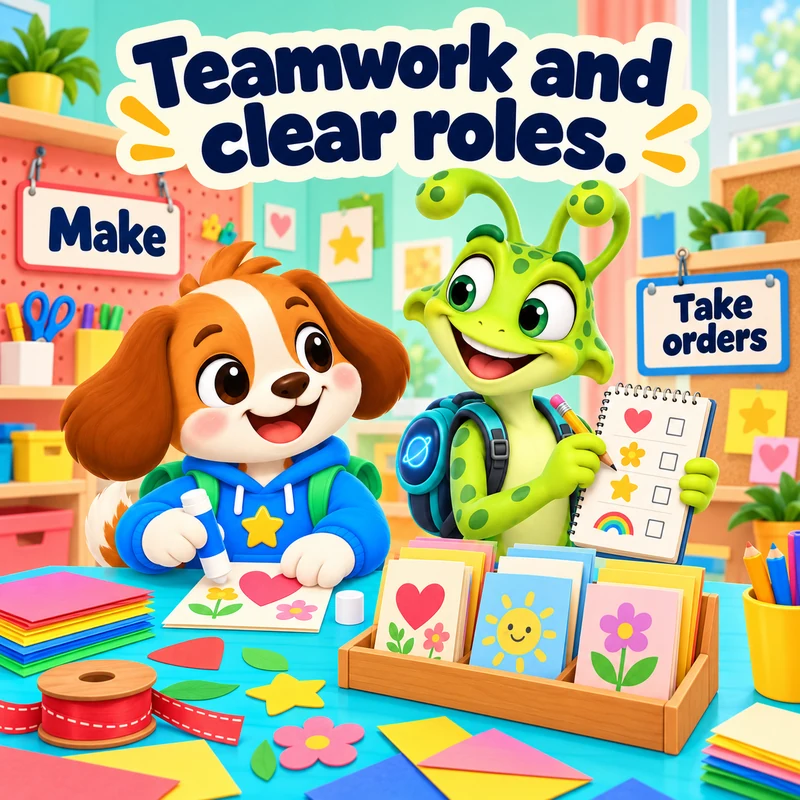
Teamwork and clear roles
Open this lesson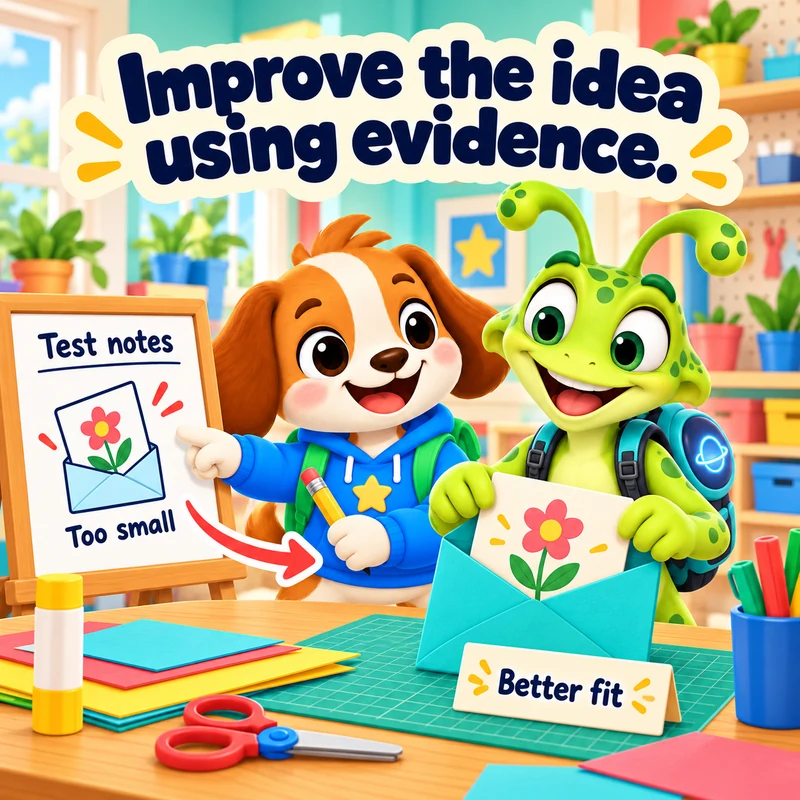
Improve the idea using evidence
Open this lesson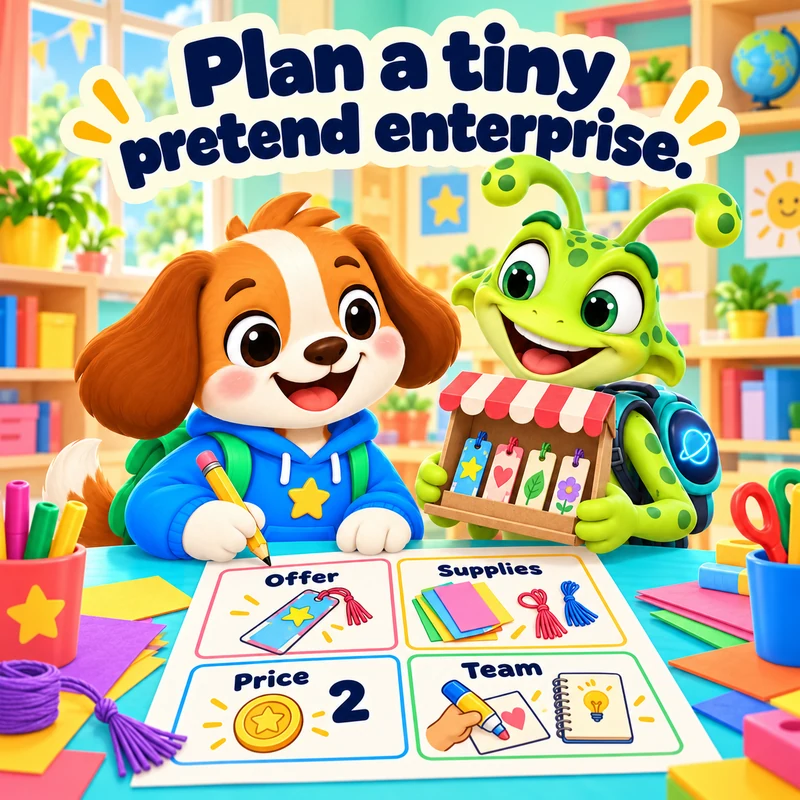
Plan a tiny pretend enterprise
Open this lesson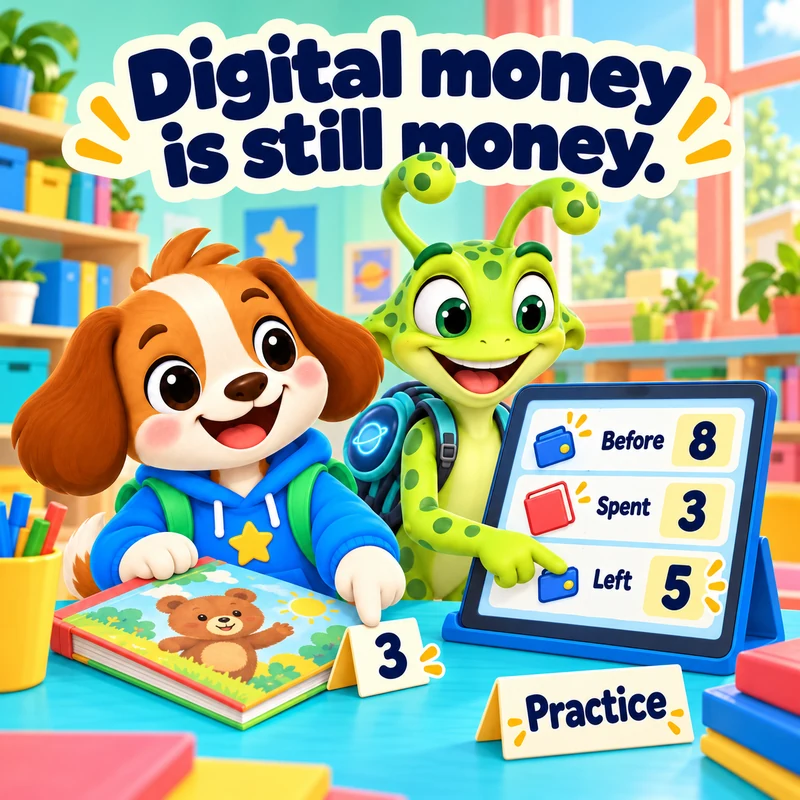
Digital money is still money
Open this lesson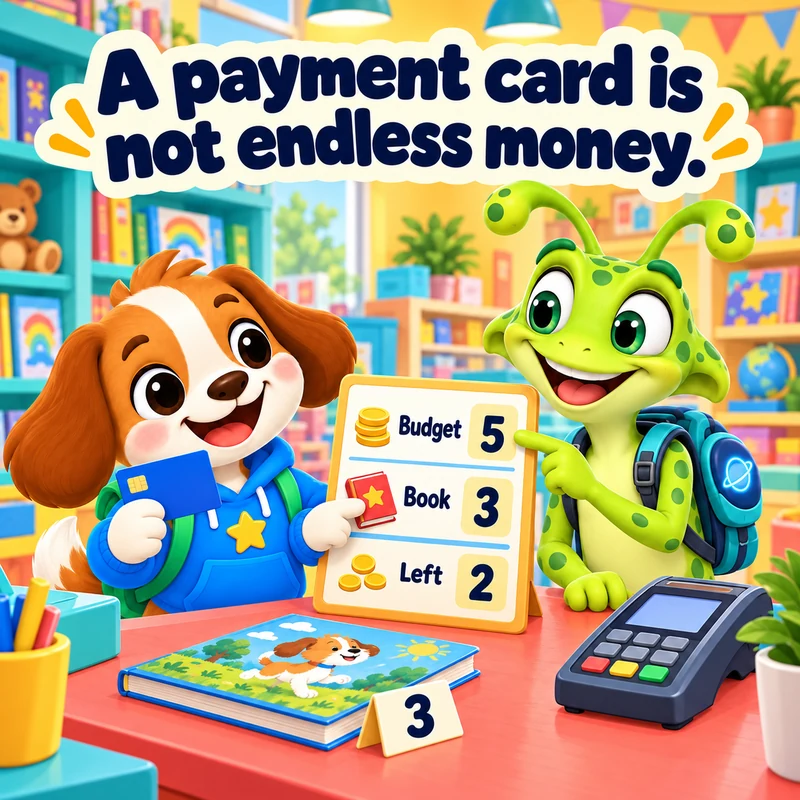
A payment card is not endless money
Open this lesson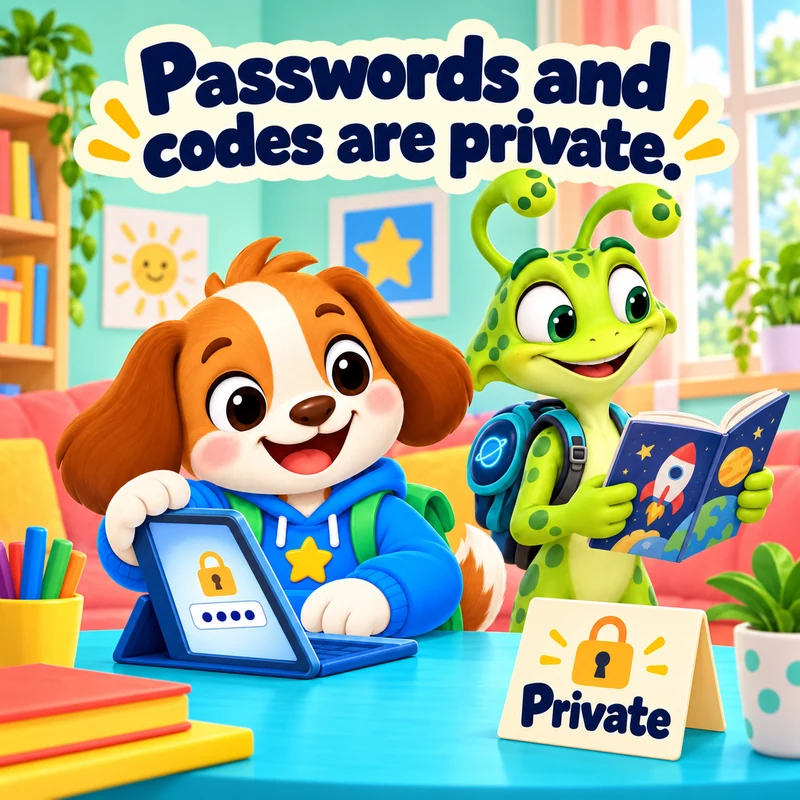
Passwords and codes are private
Open this lesson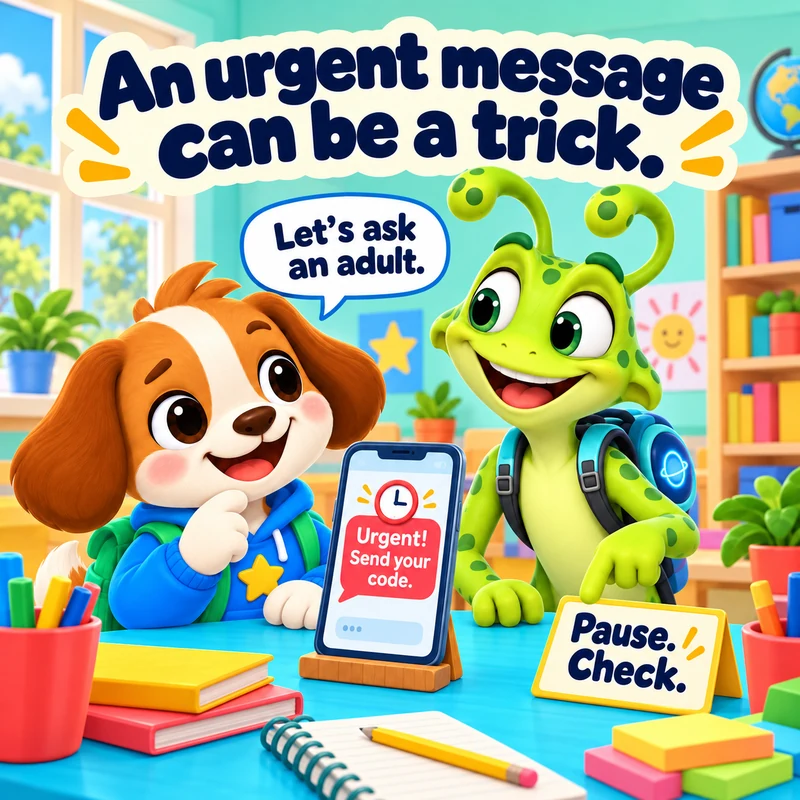
An urgent message can be a trick
Open this lesson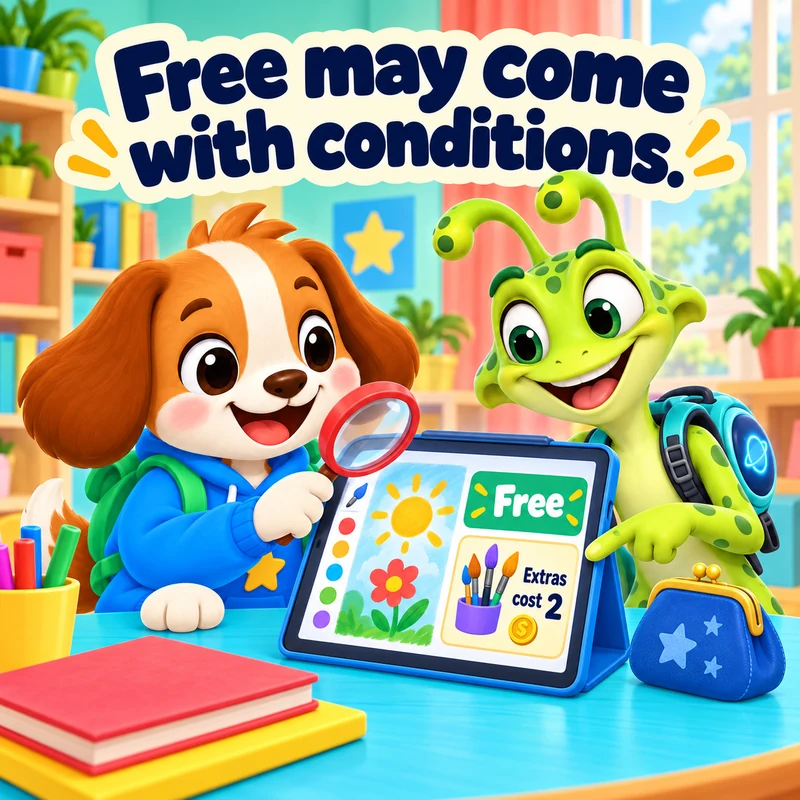
Free may come with conditions
Open this lesson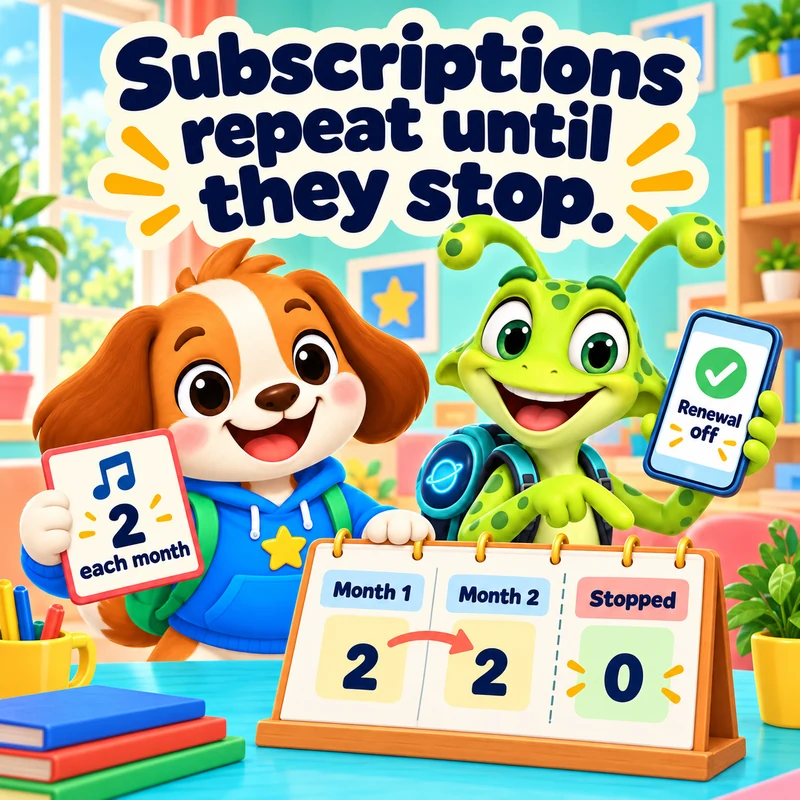
Subscriptions repeat until they stop
Open this lesson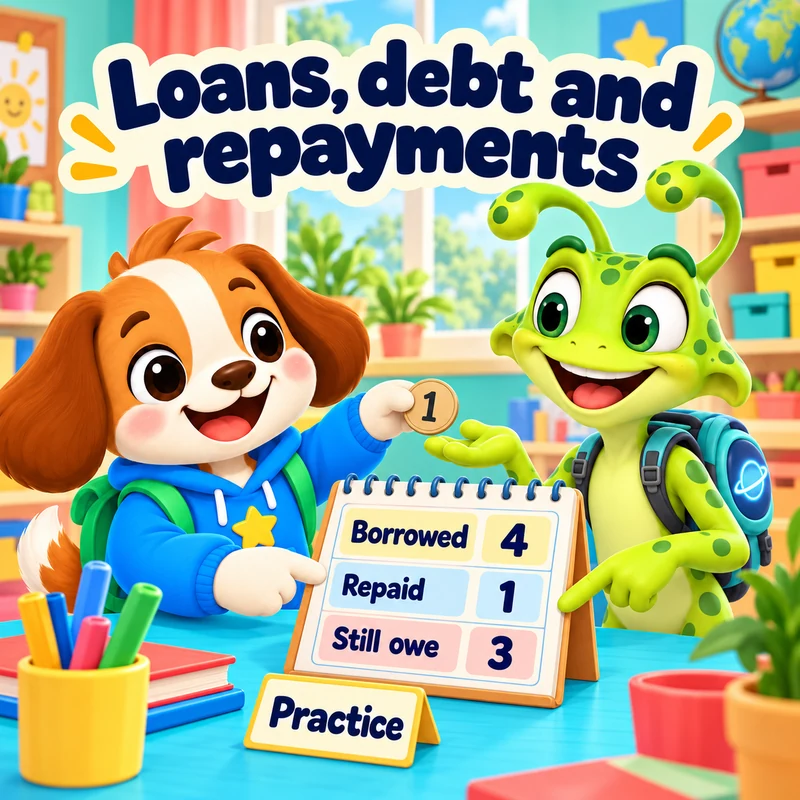
Loans, debt and repayments
Open this lesson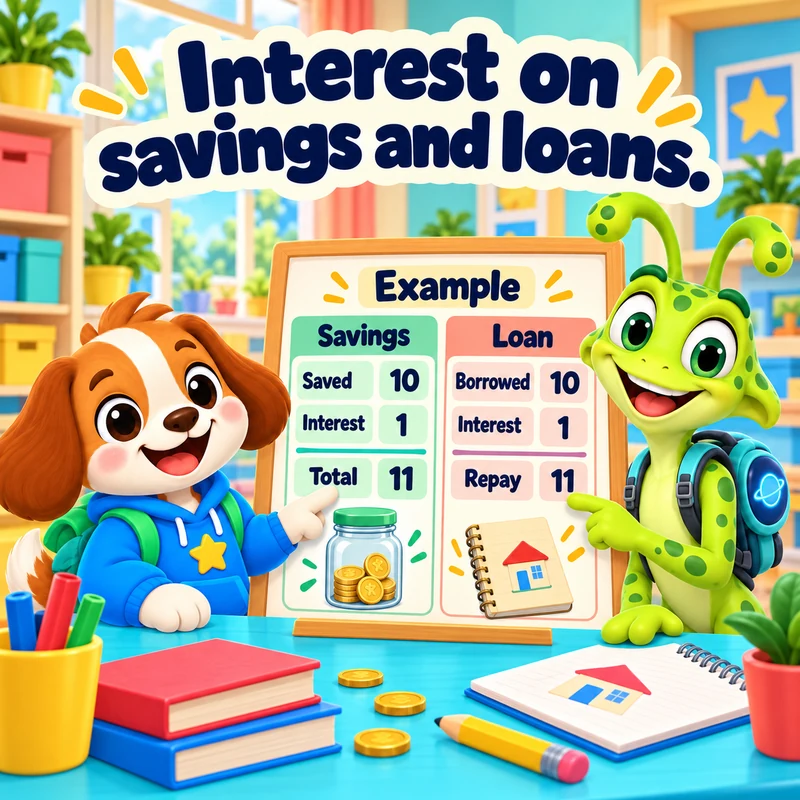
Interest on savings and loans
Open this lesson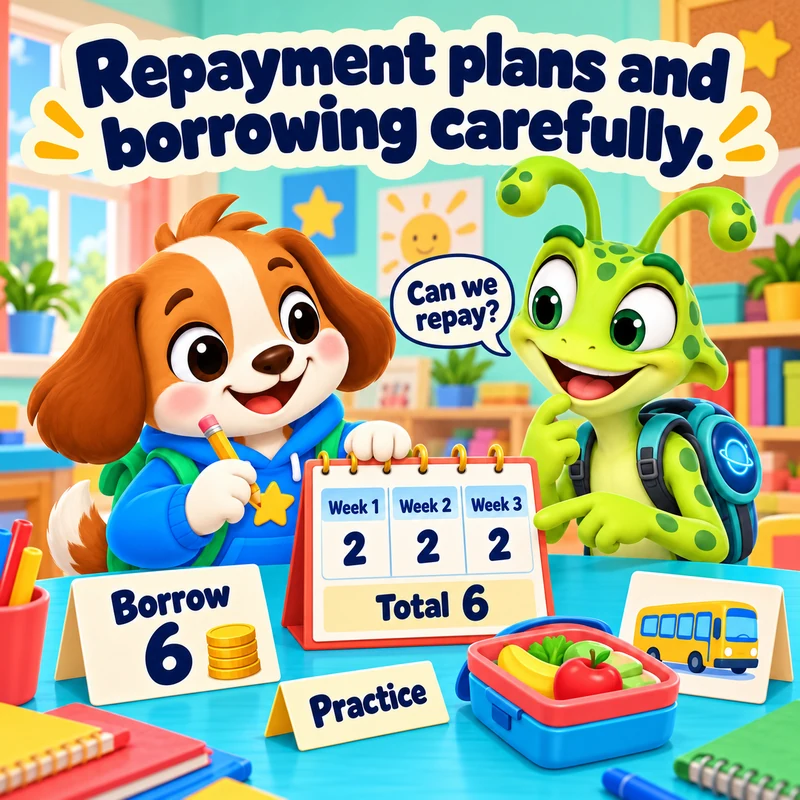
Repayment plans and borrowing carefully
Open this lesson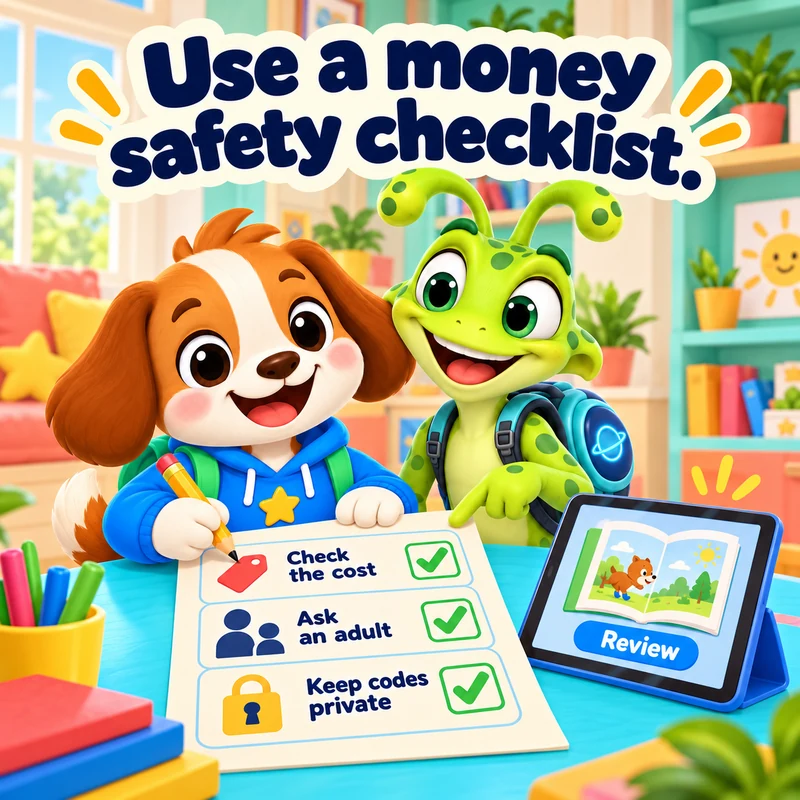
Use a money safety checklist
Open this lesson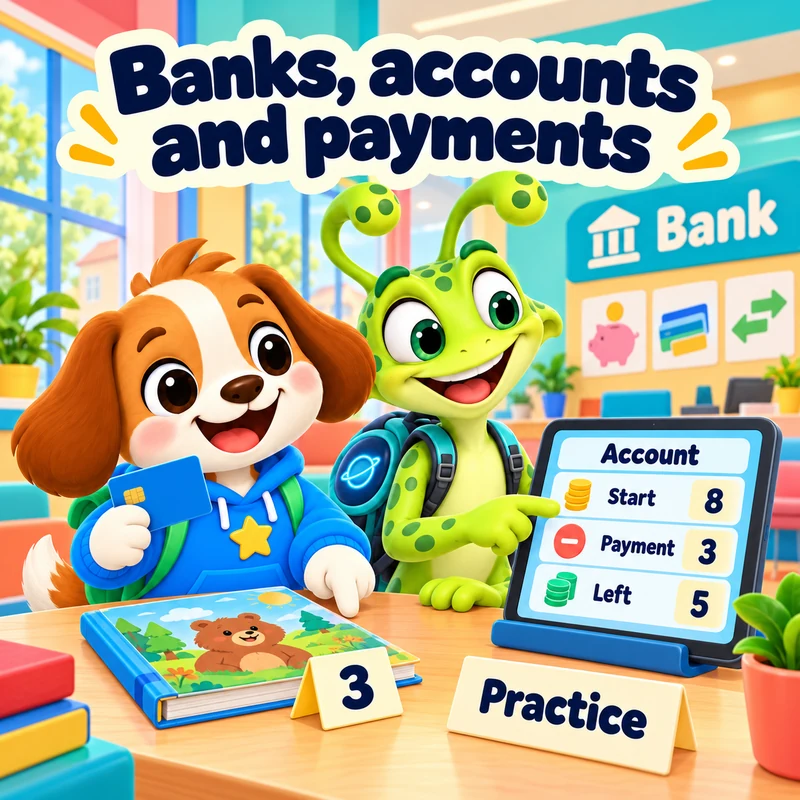
Banks, accounts and payments
Open this lesson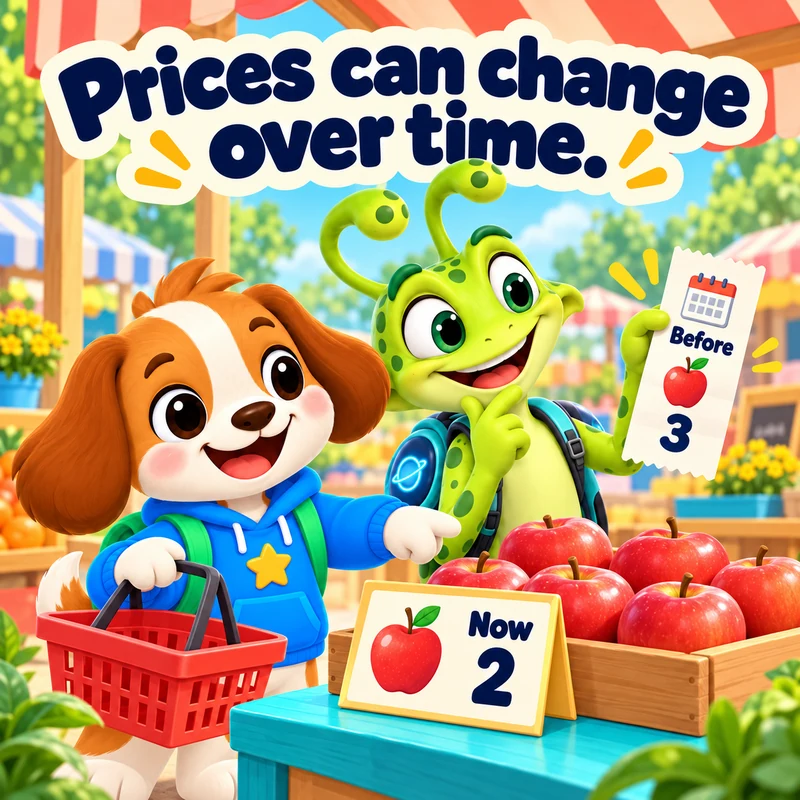
Prices can change over time
Open this lesson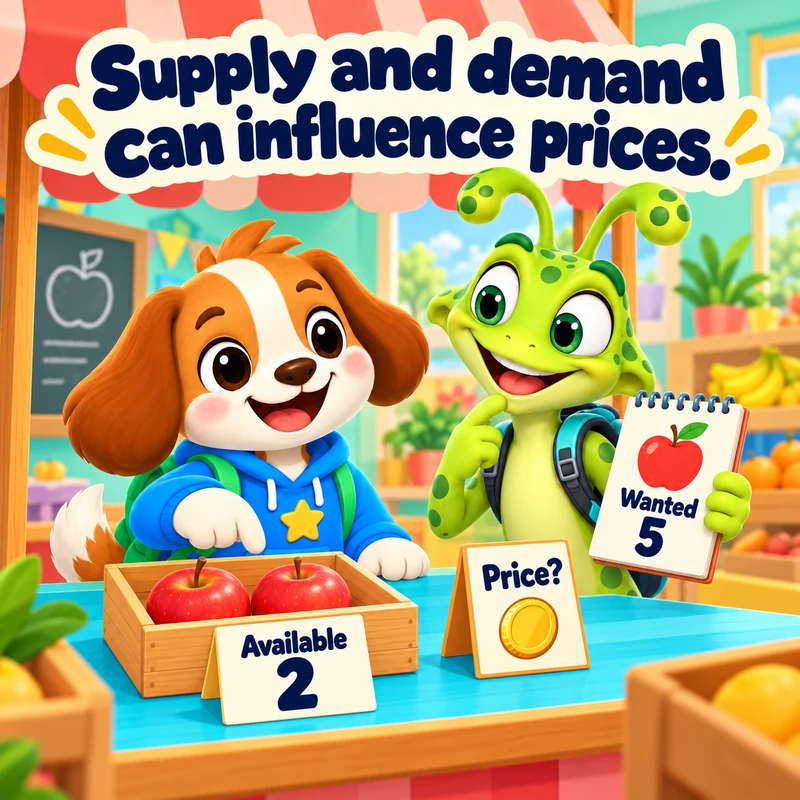
Supply and demand can influence prices
Open this lesson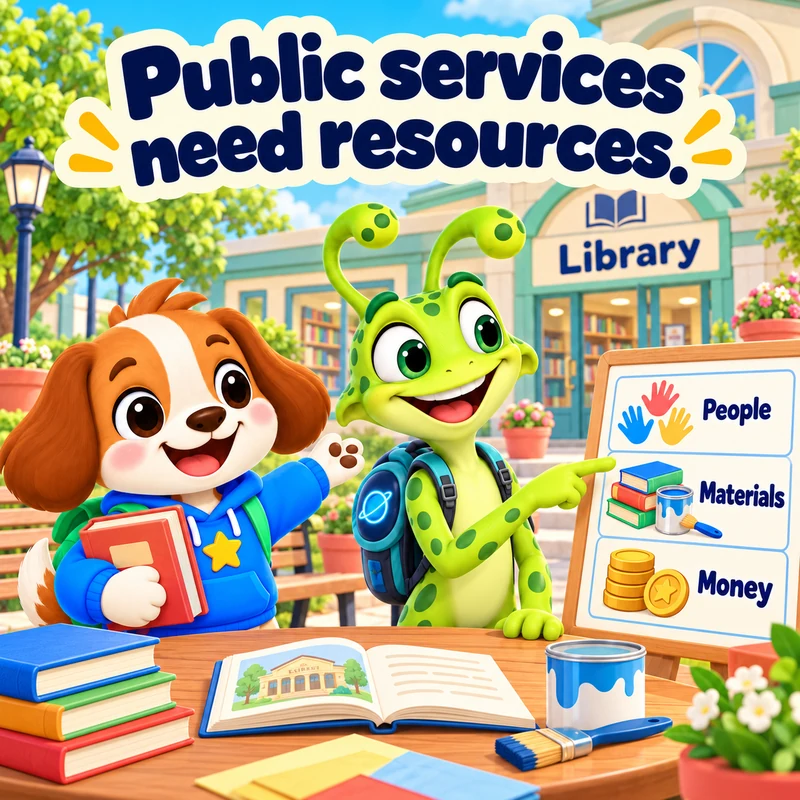
Public services need resources
Open this lesson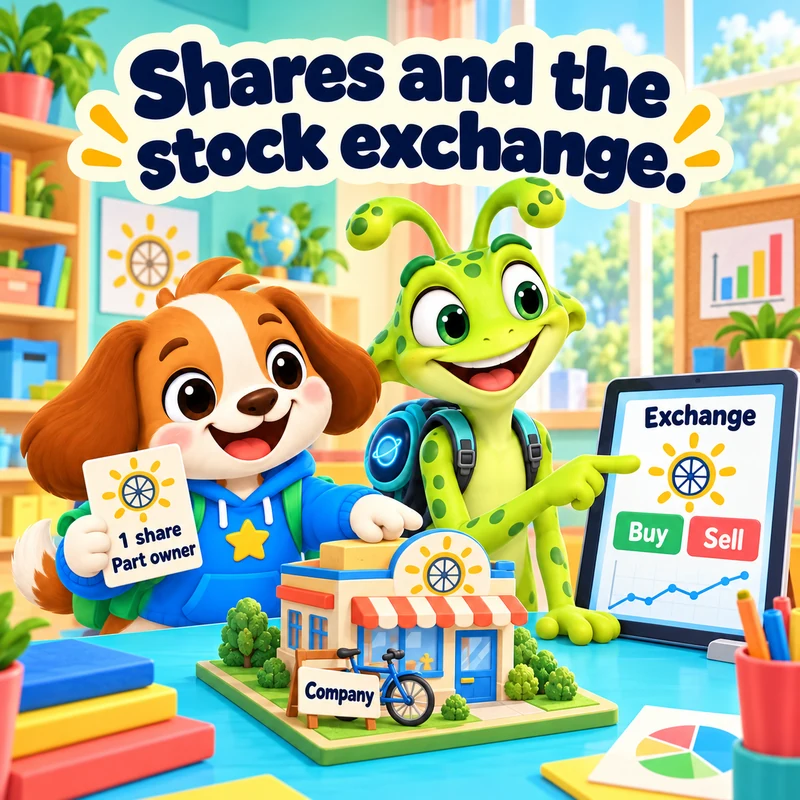
Shares and the stock exchange
Open this lesson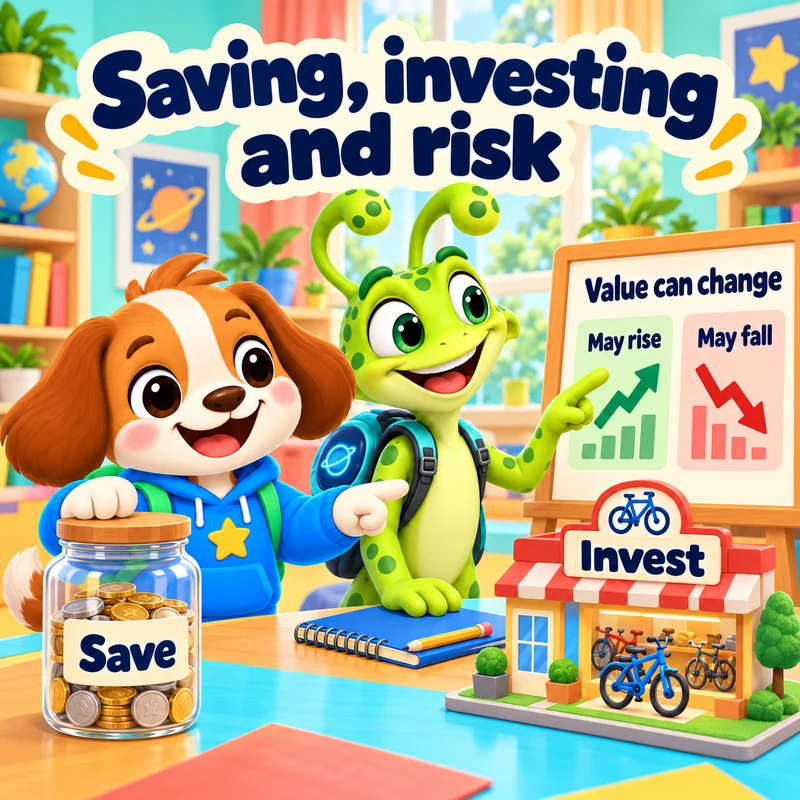
Saving, investing and risk
Open this lesson
Money choices can affect other people
Open this lesson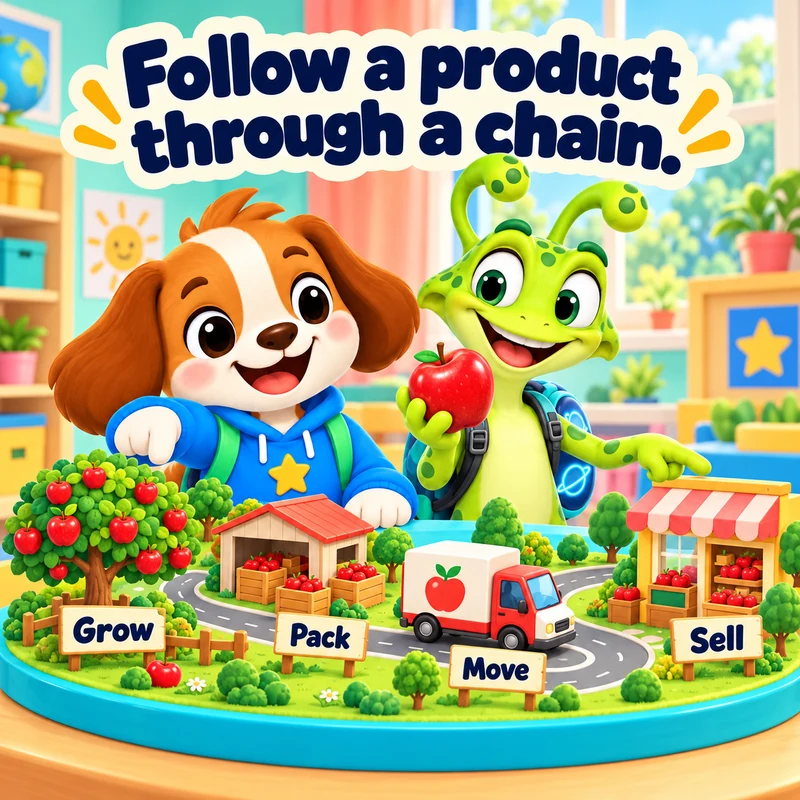
Follow a product through a chain
Open this lesson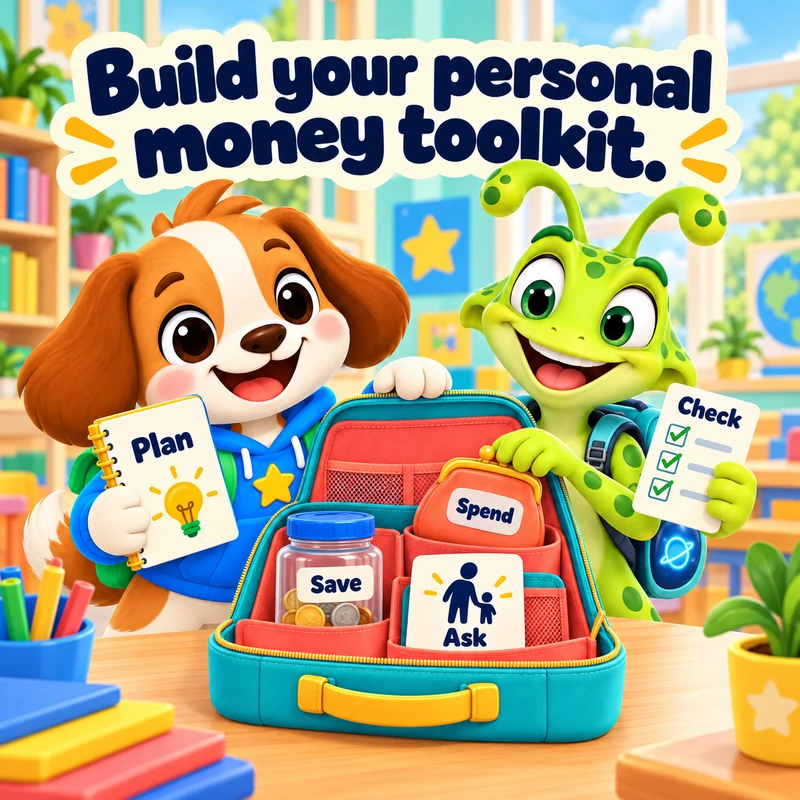
Build your personal money toolkit
Open this lesson
Our money adventure challenge
Open this lessonNo lessons match. Try another word or choose all topics.